New York City
Drive it.
Teams of students in grades 7–12 engineer a competition robot from scratch, then take it head to head against teams from across New York City.
Grades 7–12
Ages 12–18
Up to 15 students per team
No experience needed
What is FIRST Tech Challenge?
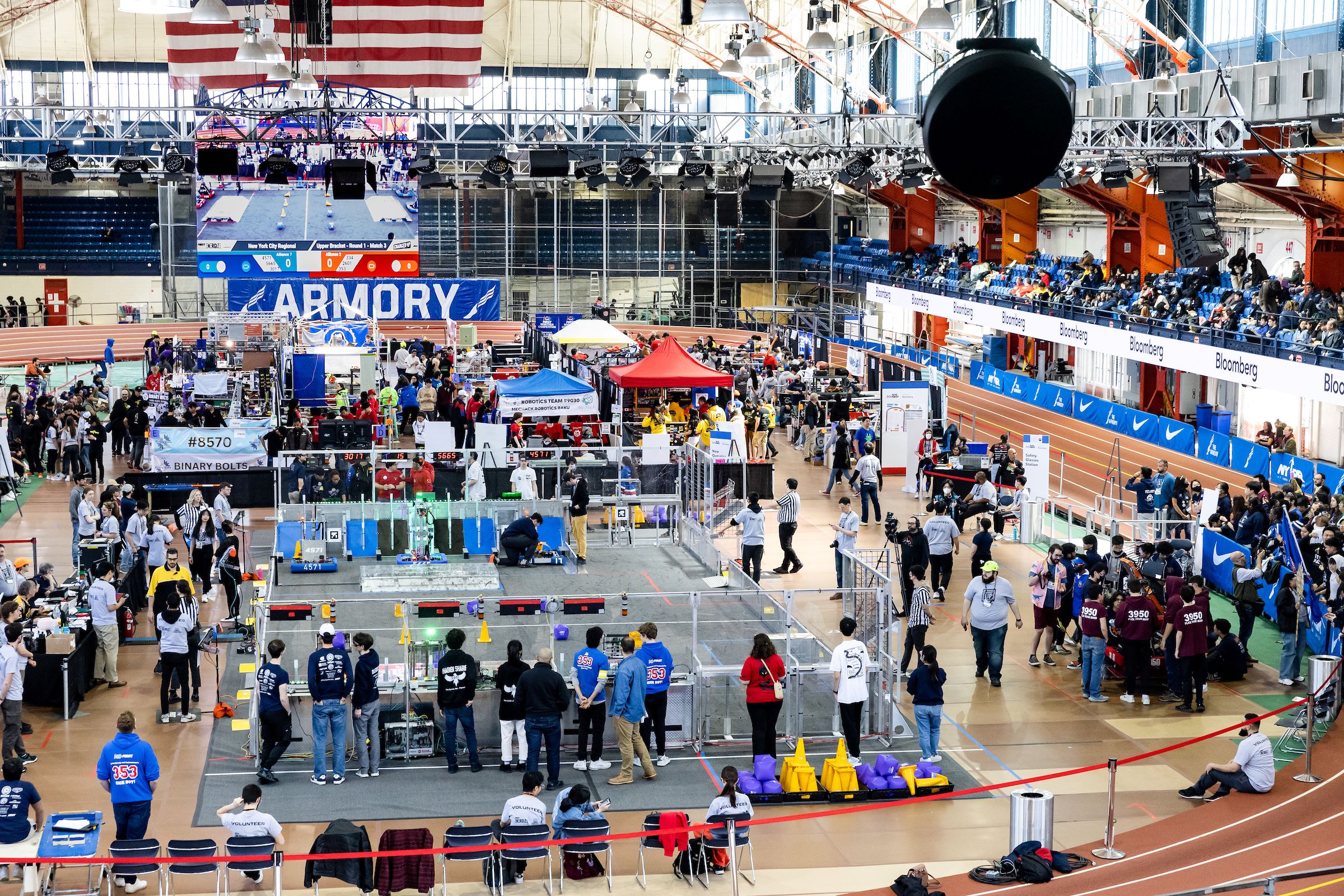
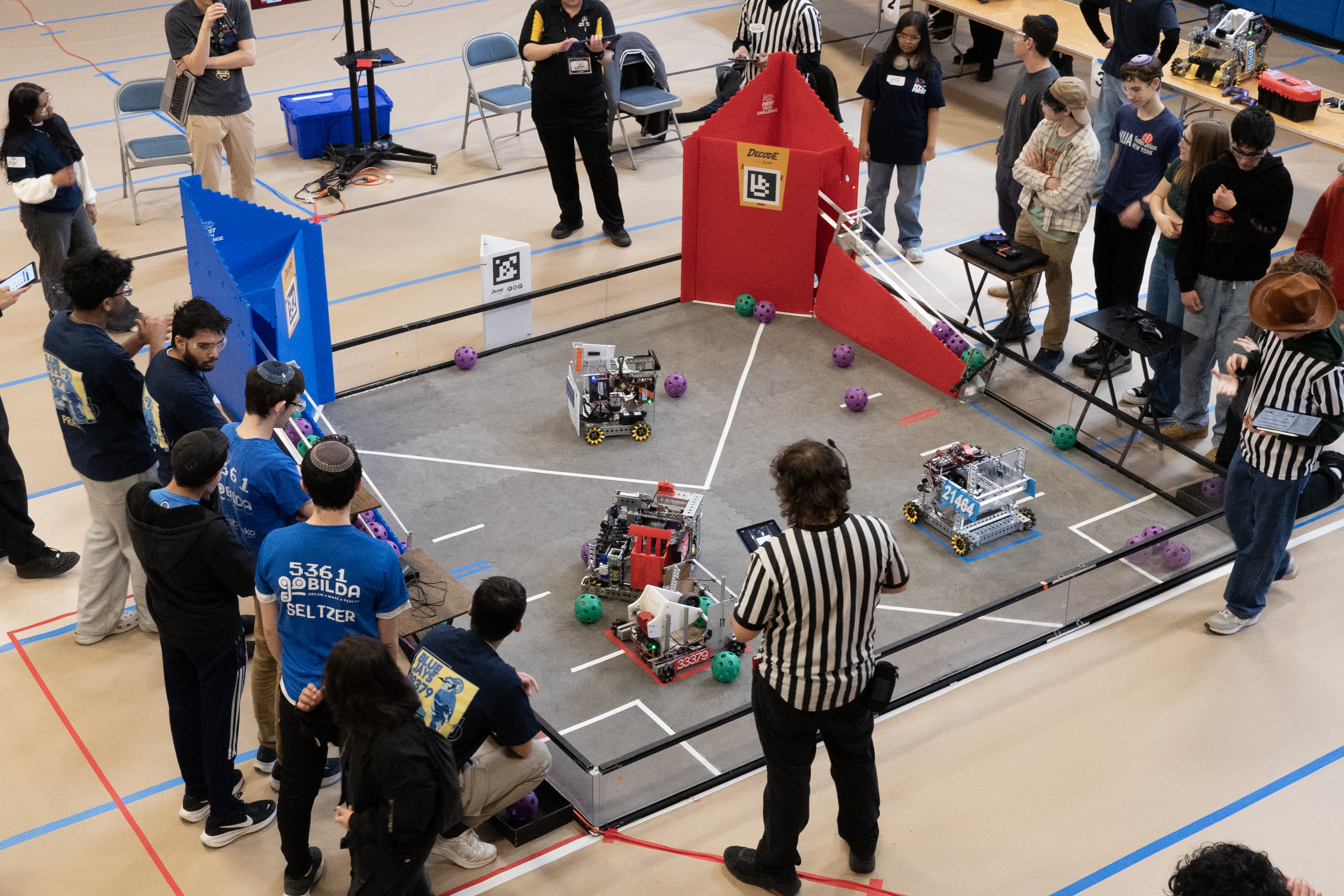
FIRST® Tech Challenge is a robotics program for students in grades 7–12. Every September, FIRST releases a brand-new game. Teams of up to 15 students design, build, program, and operate a classroom-scale robot to play it, then compete in two-team alliances at tournaments across the city. Along the way they document their engineering, raise funds, and present their work to judges.
Who
Grades 7–12, school or community teams
What
Build and code a robot for a new game every year
Where
NYC tournaments, run by NYC FIRST
NYC FIRST's role
NYC FIRST is FTC's Program Delivery Organization in New York City, the organization FIRST has authorized to run the program locally. That's why your team registers twice: once with FIRST, and once with us for NYC events.
I'm ready to start
1
Register your team with FIRST
Create the team, add two adult coaches, and pay the $350 season fee.
2
Tell NYC FIRST you're in
Email us so we can add you to local events and communications.
3
Register for NYC events
$400 covers two local qualifying events.
I want to learn more
What teams actually do, what students gain, how the season works, and what it takes to get going.
↓
At a glance
15
students max per team
2
adult lead coaches
7–12
grades (ages 12–18)
What teams do
An FTC team works like a small company. No experience needed: we welcome technical, creative, communications, business, and leadership interests.

Design & build
Mechanical, electrical, and CAD work: students design it, build it, wire it, and keep it running.
Blocks →
OnBot Java →
Android Studio
Code
Start with drag-and-drop Blocks. Grow into Java.
Strategy
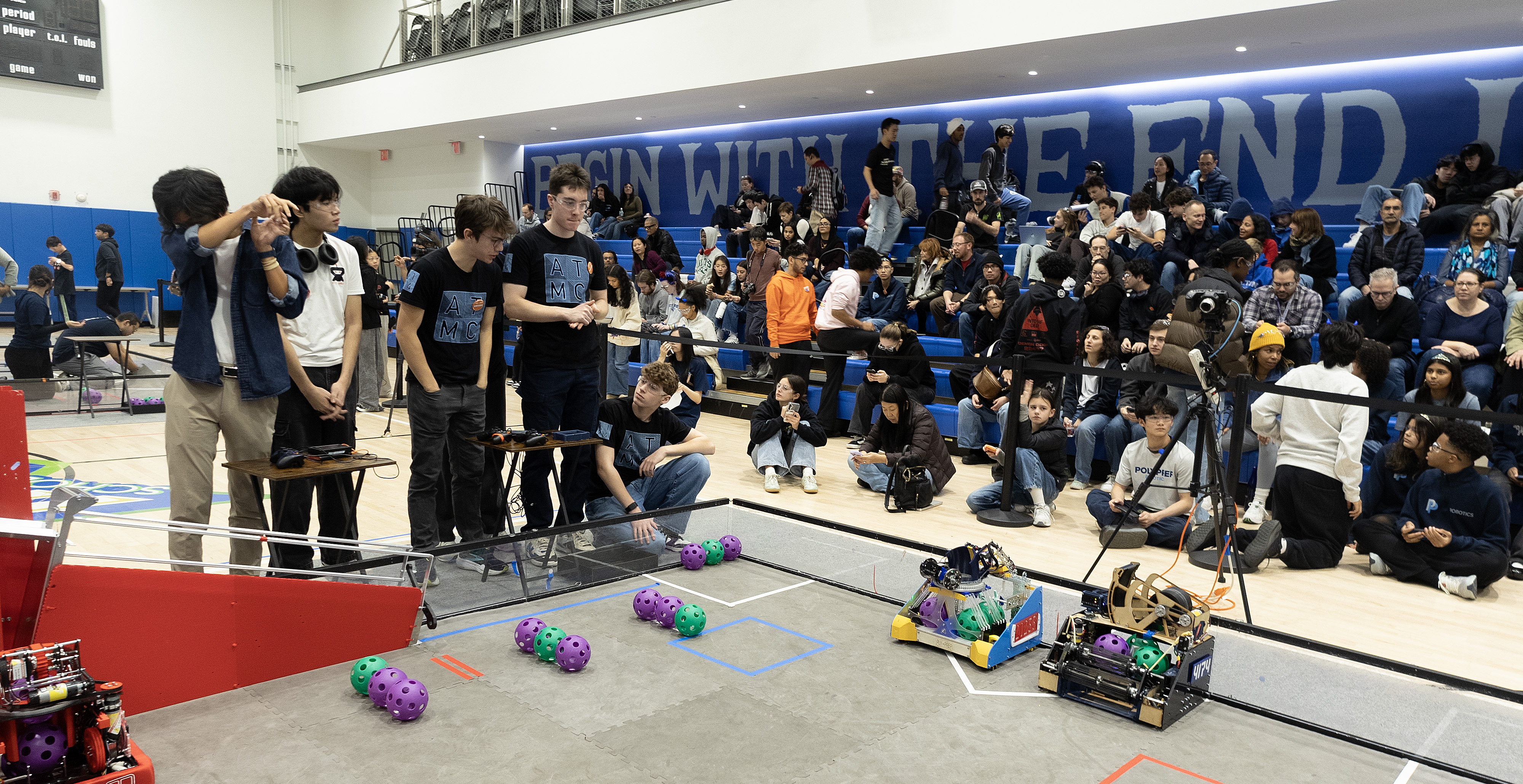
Matches are played in two-team alliances, so strategy and scouting matter as much as the robot.
Outreach & business
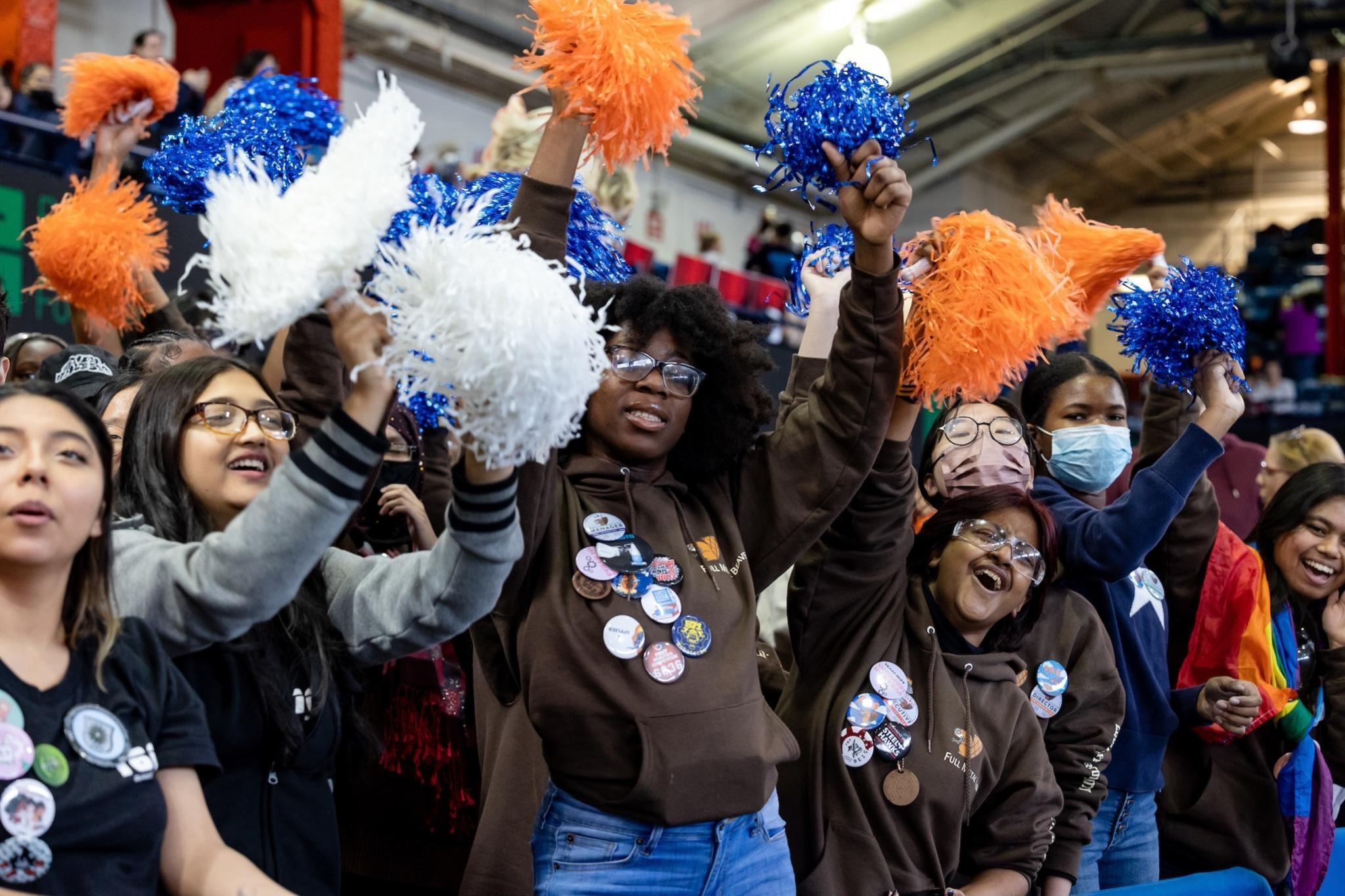
Fundraising, outreach, budgets, and team operations.
Judging
Teams present their engineering portfolio and robot design to judges, and awards recognize far more than wins.
The engineering challenge
A new opportunity to innovate.
The field, the game pieces, and the scoring change each season. The challenge doesn't: turn a rulebook into a working robot, on a deadline, as a team.
01
Read the rules, study scoring, pick a strategy.
02
Sketch, prototype, and model ideas in CAD.
03
Fabricate, assemble, and wire the robot.
04
Code an autonomous routine and driver controls.
05
Find what breaks, fix it, and get faster.
06
Play in alliances and show judges how you got there.
What students gain
Defining problems, testing ideas, and improving on them.
Hands-on technical skills applied to a real machine.
Planning, time management, and budgeting.
Public speaking and presenting work to judges.
Collaboration and resolving conflict as a team.
Relationships with STEM professionals and mentors.
The season
The game changes every year. The rhythm doesn't. NYC FIRST publishes the season calendar and event details after the season launches.
Before the season
Recruit your team, register with FIRST and NYC FIRST, and order any equipment you need.
September
FIRST Tech Challenge Kickoff: the season's game is revealed and teams start building their robot.
During the season
Design, build, program, and test. Put together your engineering portfolio, practice judging, and get your robot inspection-ready.
Competition season
Compete at your two qualifying events. In between, review what worked, make improvements, and keep practicing.
Season finale
Teams advance by the season's advancement order, through Super Qualifiers to the NYC Championship.
Who it's for
Whoever you are, here's where to start.
Students
Most FTC teams form through schools and community programs. If your school doesn't have a team yet, share this page with a teacher or administrator who could coach one.
How teams form →
Parents
Grades 7–12, no experience needed. Expect 4–8 hours a week, more before competitions.
Read the FAQ →
Coaches & schools
Two adult coaches, a meeting space, and a plan. We'll help with the rest.
Get started →
Volunteers
Judges, referees, inspectors, and more. Training is provided.
Volunteer →
Get started
Registering takes two separate steps, and completing one does not complete the other.
1
Create your team on firstinspires.org, assign two lead coaches, and pay the FTC registration fee through the FIRST Storefront. This also unlocks FIRST resources, discounted components, and award eligibility. Before your first event, confirm your host organization and meeting space, and make sure every student completes youth registration and is on your official roster.
FTC Getting Started →2
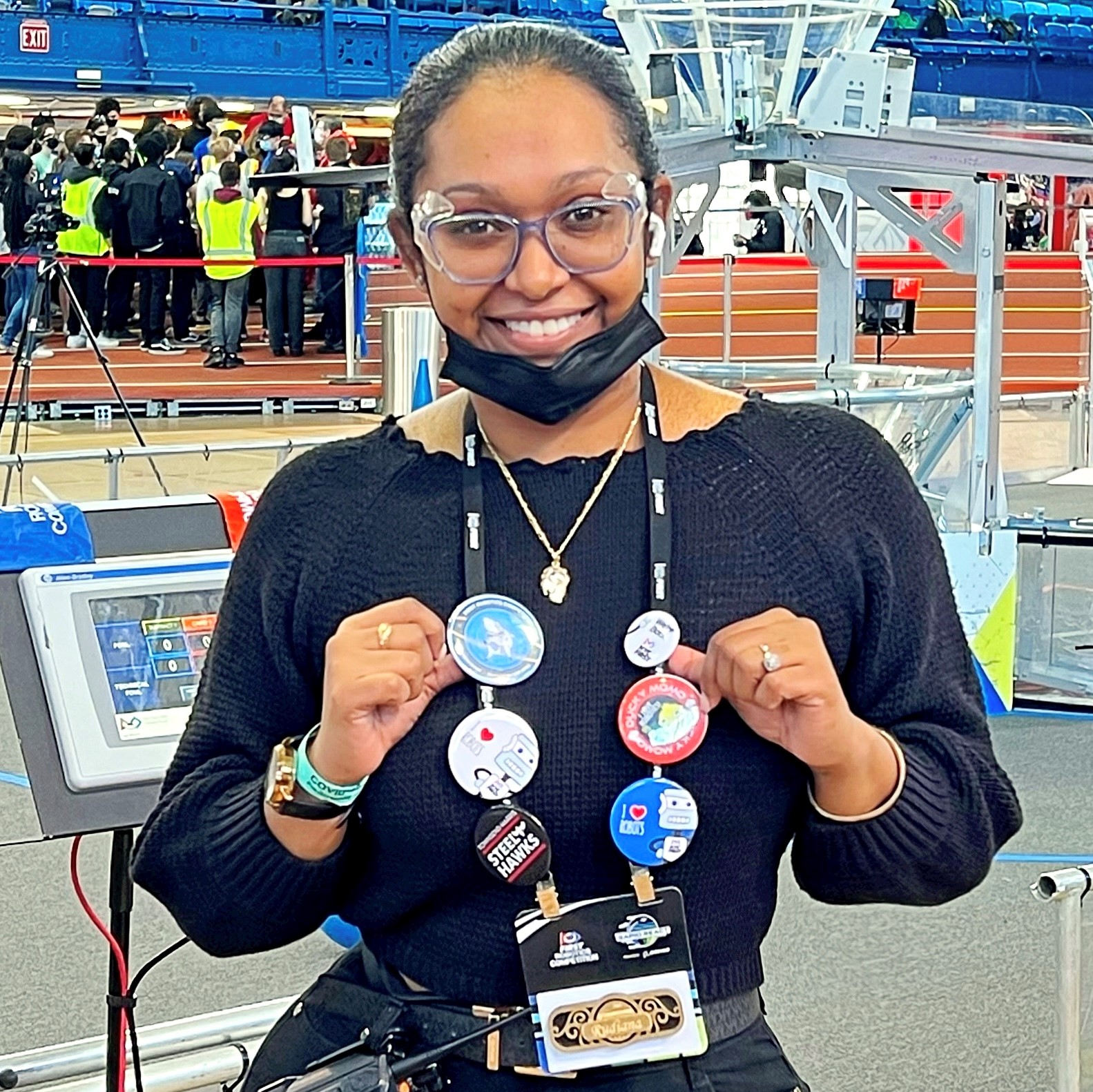
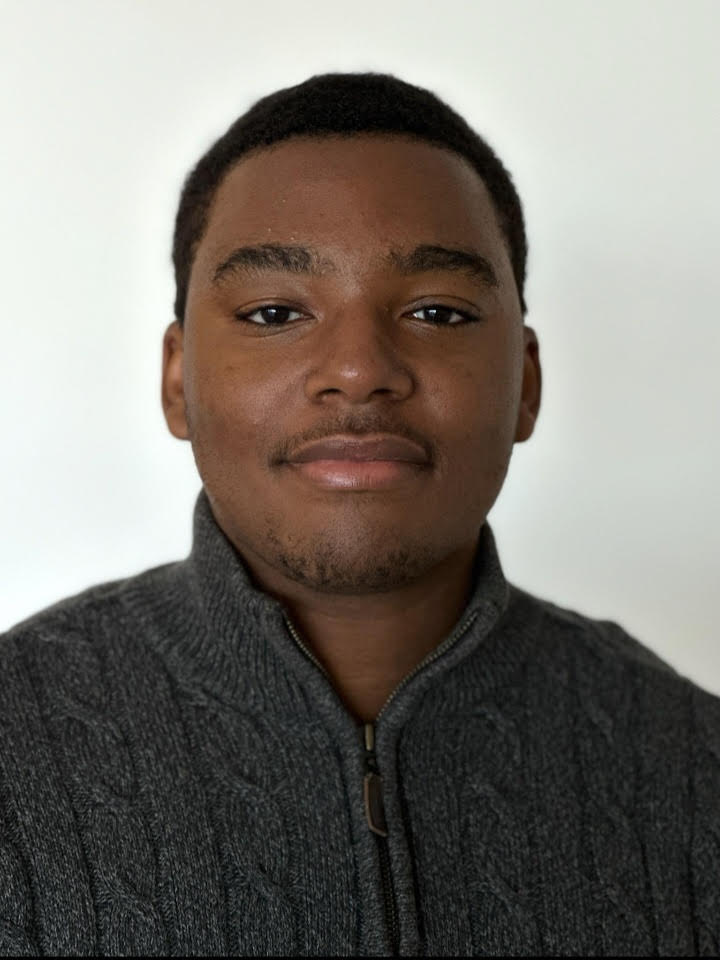
Once your team is created, email Rudiana Bunbury and Isaiah Wilson so we can add you to NYC communications. Local event registration and payment ($400 for two qualifying events, plus $150 if your team advances) is handled separately from your FIRST registration.
Email the FTC team →Cost
Paid to
Amount
Covers
FTC season registration
FIRST, Inc.
$350
Official team registration, resource access, award eligibility. Local events not included.
NYC event registration
NYC FIRST
$400
Two local qualifying events
Advancement fee
NYC FIRST
$150
Only if your team advances to Super Qualifiers or the Championship
Starting equipment
FIRST Storefront or vendors
~$1,500
Control system, driver equipment, build kit, computer, batteries, tools
New team, first season
~$1,800
Registration plus starting equipment, before local event fees. Ask us about team grants.
The details
Create your team on firstinspires.org and assign two adult lead coaches.
Confirm your host organization and meeting space.
Make sure every student completes youth registration and is on your official roster.
Email NYC FIRST to join local communications and register for two qualifiers.
NYC FIRST can't help with issues on FIRST's registration system. Contact FIRST Customer Support directly.
Qualifiers bring your season together. Teams are judged on robot performance and on their season overall, including engineering, teamwork, and outreach.
Check in, set up your pit, pass robot inspection, and take part in a judging interview about your season and robot. After the opening ceremony, teams play qualification matches in two-team alliances. Top-ranked teams pick playoff partners, and the day wraps up with awards.
Confirm every student's registration and consent status.
Pre-inspect your robot with the official checklist.
Finalize your engineering portfolio and practice judging.
Charge batteries; pack tools, spares, and safety glasses.
NYC FIRST publishes the season calendar and event details after the season launches. Every team competes at two qualifying events, and top teams advance through Super Qualifiers to the NYC Championship, following the season's advancement order.
NYC FIRST events are generally open to spectators unless a specific venue says otherwise.
Design, build, code, and test. Keep your engineering portfolio current, practice judging, and improve between events.
Beginners often start with Blocks, a visual drag-and-drop tool. Teams ready for more control move to OnBot Java, and advanced teams use Android Studio for the full FTC SDK.
Robot, Driver Station, charged batteries, laptop, tools and spare parts, your presentation, engineering portfolio, and safety glasses.
Get support
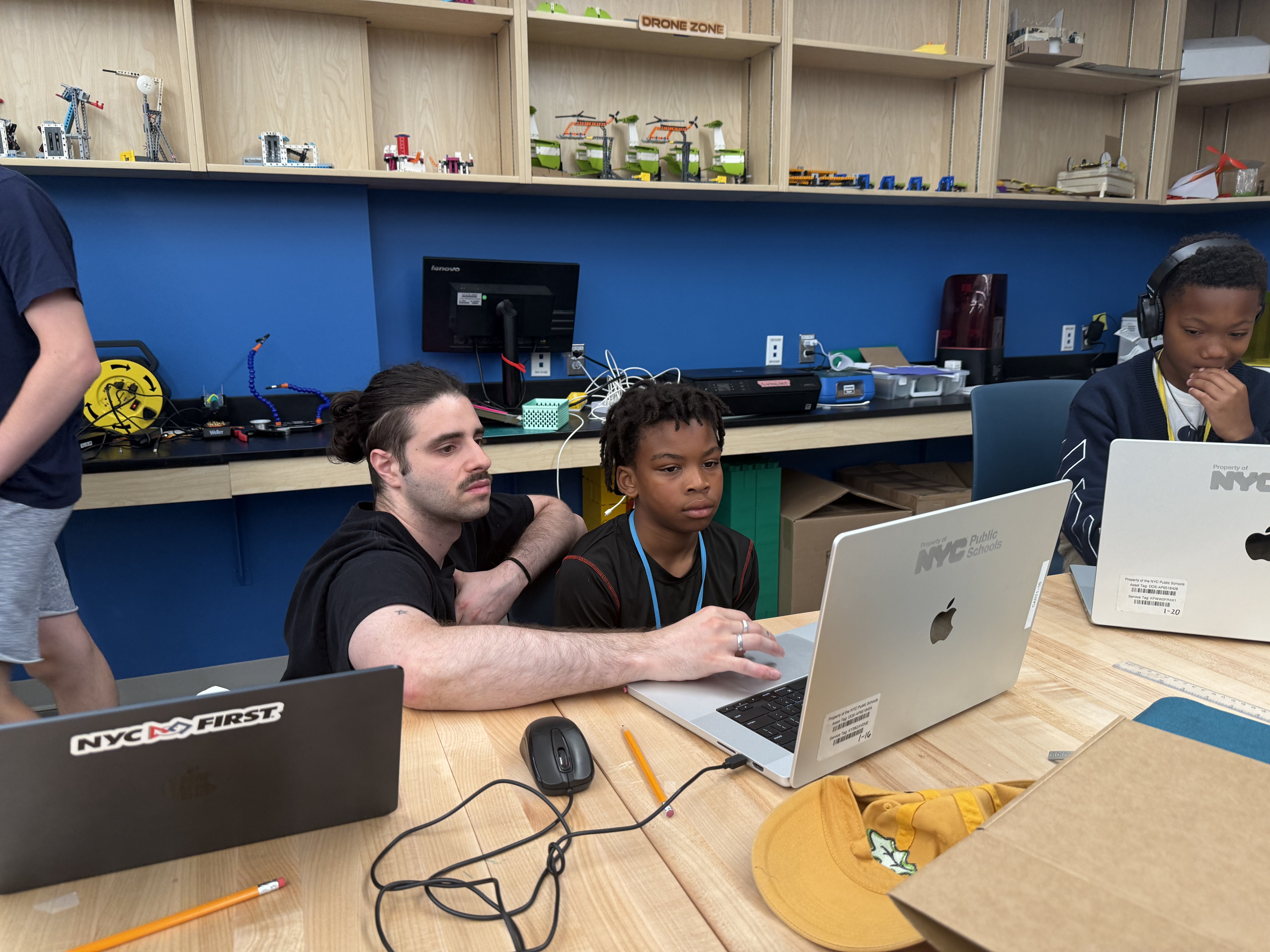
Bring your robot to a STEM Center for build sessions and Robot Doctor troubleshooting.
Rookie-team onboarding and workshops.
Season communications, deadlines, and event logistics.
Connections to mentors and veteran teams.
STEM Center build sessions give your team access to space, mentors, and troubleshooting support. When you come, bring your robot, charged batteries, laptop, tools, and a clear description of the issue you're working through.
NYC FIRST STEM Centers also host workshops, open labs, and rookie onboarding sessions through the season. Dates and locations are posted on the NYC FIRST calendar.
See workshops on the calendar →Upcoming events
NYC FIRST events are open to spectators unless a venue says otherwise.
Dec 5
Sat
·
2026
John Dewey High School
50 Avenue X, Brooklyn, NY 11223
Dec 6
Sun
·
2026
John Dewey High School
50 Avenue X, Brooklyn, NY 11223
Dec 19
Sat
·
2026
Brooklyn Technical High School
29 Fort Greene Pl, Brooklyn, NY 11217
Dec 20
Sun
·
2026
Brooklyn Technical High School
29 Fort Greene Pl, Brooklyn, NY 11217
Jan 10
Sun
·
2027
John Dewey High School
50 Avenue X, Brooklyn, NY 11223
Jan 16
Sat
·
2027
Francis Lewis High School
58-20 Utopia Pkwy, Fresh Meadows, NY 11365
Jan 17
Sun
·
2027
Francis Lewis High School
58-20 Utopia Pkwy, Fresh Meadows, NY 11365
Jan 30
Sat
·
2027
Leonardo Da Vinci Intermediate School
98-50 50th Ave, Corona, NY 11368
Jan 31
Sun
·
2027
Leonardo Da Vinci Intermediate School
98-50 50th Ave, Corona, NY 11368
Feb 6
Sat
·
2027
Gotham Tech High School
53-16 Northern Blvd. Queens NY 11377
Feb 20
Sat
·
2027
John Dewey High School
50 Avenue X, Brooklyn, NY 11223
Feb 21
Sun
·
2027
John Dewey High School
50 Avenue X, Brooklyn, NY 11223
Mar 7
Sun
·
2027
Francis Lewis High School
58-20 Utopia Pkwy, Fresh Meadows, NY 11365

Volunteer
Parents, educators, professionals, alumni, and students all help run NYC FIRST tournaments. Most roles need no robotics background, and FIRST provides training.
Meet the teams
Judges sit down with teams to hear the story of their season, from their engineering portfolio to their outreach, and help decide which teams earn awards.
Meet the teams
Robot inspectors work with teams in the pits to make sure every robot is safe and follows the season's rules before it competes.
Requires role-specific technical training.
Around the field
Referees run the matches on the field, make the rule calls, and keep every game fair for both alliances.
Around the field
Scorekeepers track match results and keep the rankings accurate all day, so teams always know where they stand.
Open to first-time volunteers.
Event delivery
Emcees bring the energy: announcing matches, celebrating teams, and keeping the crowd in it from opening ceremony to awards.
No robotics background needed.
Administrative
Check-in volunteers welcome teams, families, and visitors, and keep the day organized alongside the event coordination team.
No robotics background needed.
FIRST provides training for every role. Volunteers 18 and older who work directly with students go through FIRST's Youth Protection screening, which is free and valid for four years.
Create your volunteer account ↗︎FTC volunteering questions? Email Rudiana & Isaiah →FAQ
What is FIRST Tech Challenge?
+
FTC is a robotics program for students in grades 7–12. Teams design, build, program, and operate robots in a new annual challenge while also developing teamwork, communication, outreach, and engineering-design skills.
Who can join a team?
+
Students in grades 7–12. No previous technical experience is required.
My child wants to join. How do we find a team?
+
NYC FIRST doesn't match students to teams directly. Most FTC teams form through schools and community programs. If your school doesn't have a team yet, share this page with a teacher or administrator who could coach one.
How many students should be on a team?
+
Many teams include 8–12 students; official FTC rules permit up to 15 team members.
How many adult coaches are required?
+
Each team needs two adult lead coaches. Additional mentors are optional.
Do coaches need an engineering background?
+
No. Coaches facilitate the team and can learn alongside students. Technical mentors are helpful but not required to begin.
Can community or homeschool teams participate?
+
Yes, provided the team completes FIRST registration, meets adult and youth requirements, and completes NYC event registration.
What does team registration cost?
+
FIRST lists the 2026–2027 FTC season-registration fee at $350. NYC event registration ($400 for two qualifiers) is separate.
What equipment is required?
+
A Driver Kit, REV Robotics Control Hub, Build Kit, and laptop or tablet. Teams also need batteries, chargers, tools, and replacement parts.
Do students need to know Java?
+
No. Beginners may start with Blocks programming and later move to OnBot Java or Android Studio.
Can spectators attend?
+
Events are generally open to spectators, subject to venue capacity and event-specific rules.
What's the time commitment?
+
We recommend at least 4–8 hours a week working on the robot and preparing for competition, with more time in the weeks leading up to a competition weekend.
Who should we contact at NYC FIRST?
+
Email rudiana@nycfirst.org and isaiah@nycfirst.org for local FTC support.
Your FTC team at NYC FIRST
NYC FIRST STEM Centers
Bring your robot to a STEM Center for build sessions and Robot Doctor troubleshooting.
Find a STEM Center →The FIRST pathway
Three programs, one pathway from grade 3 through grade 12.