
Composite
Not permitted on site
Carbon fibre stock
Carbon-fibre cloth and cured composite sheet or plate. Strong, stiff fibres that leave sharp splinters and highly abrasive mixed fibre and resin debris when cut or abraded. Machining cured composite breaks reinforcement and matrix together and creates fine, electrically conductive contamination.
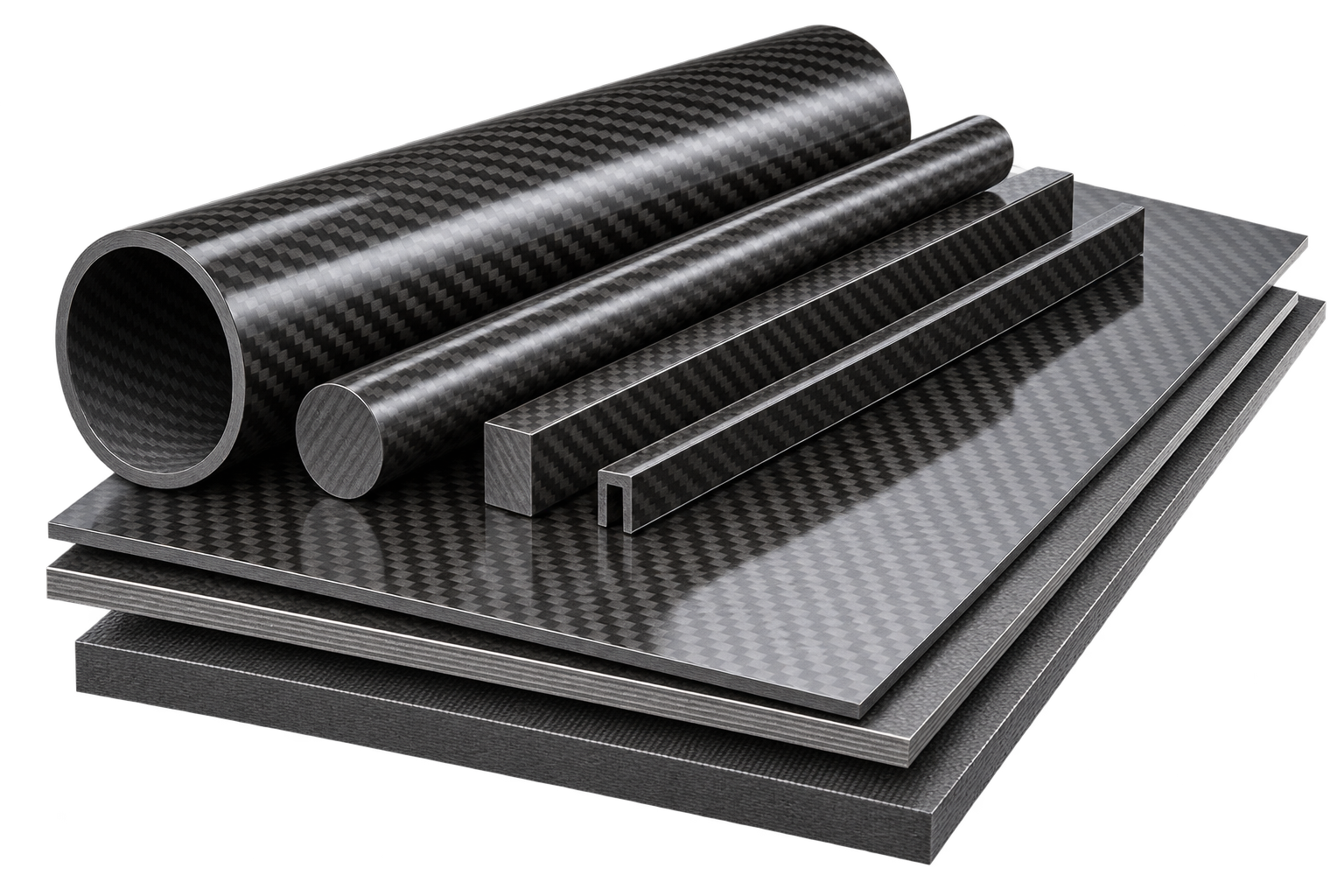


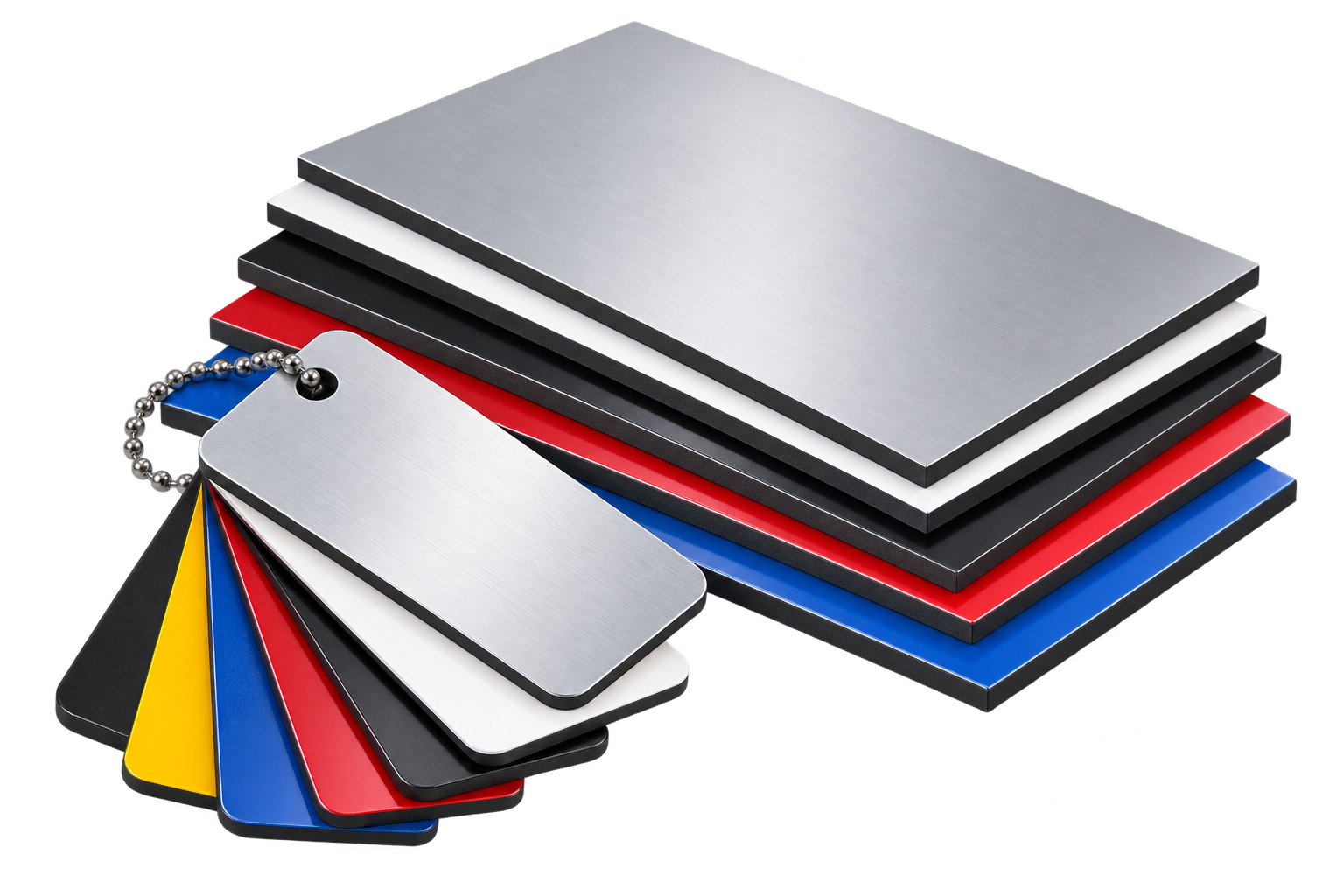

Never do this
- Never sand, grind, route, mill, drill, saw or otherwise machine carbon-fibre stock on site.
- Never use compressed air to clean carbon-fibre dust or machining debris.
- Never bring raw carbon-fibre cloth, sheet or plate into the makerspace for student fabrication.
Hazards
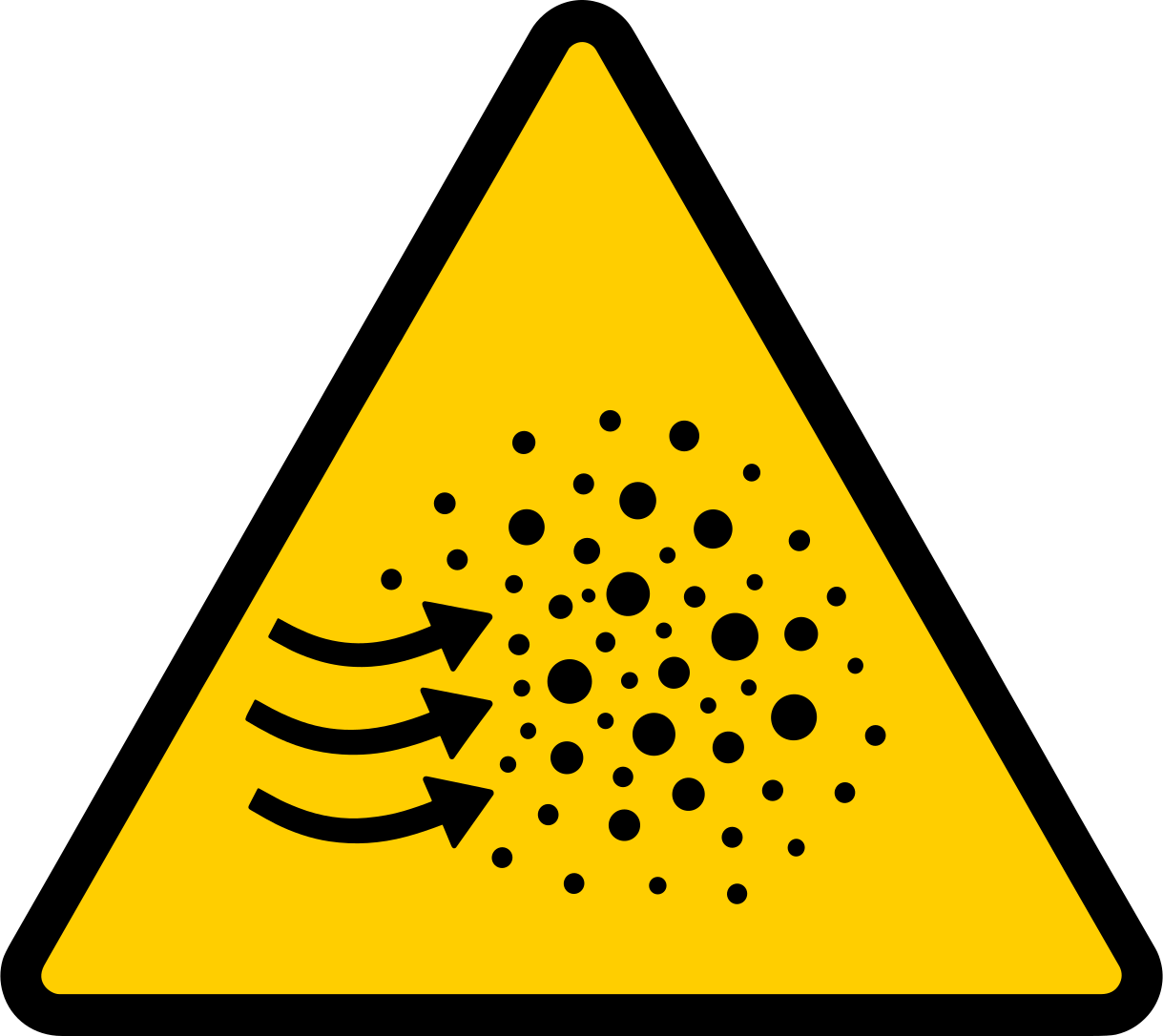
Dust / Airborne Particulate
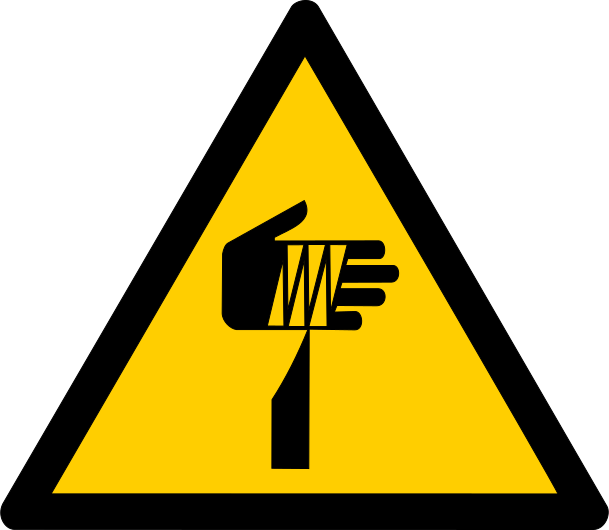
Cutting / Sharp Edge / Blade
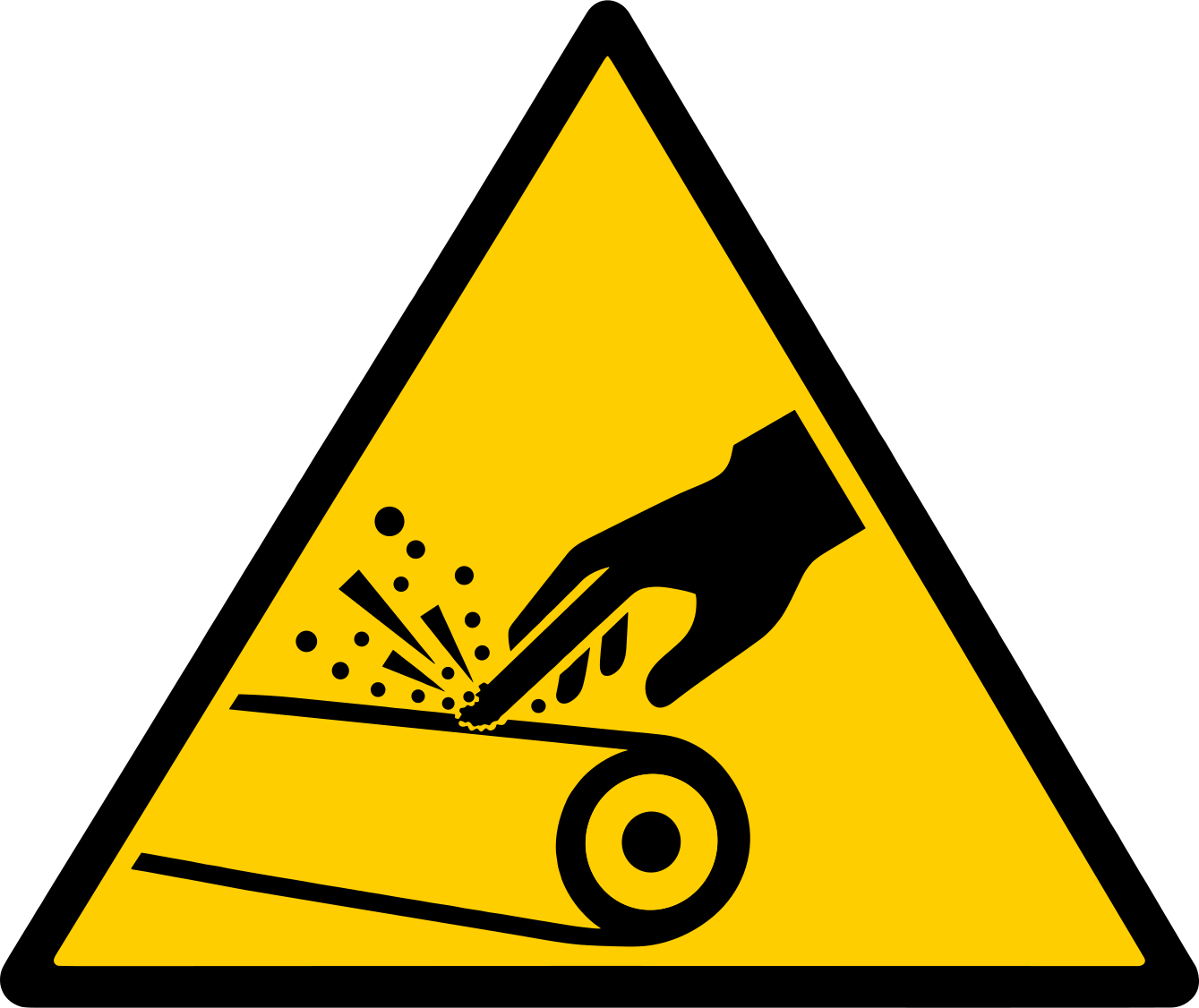
Abrasion
Controls in place
None available that this facility can rely on, which is precisely why the material is not permitted. Machining cured composite generates fine fibre and resin debris, and the extraction and cleanup needed to handle it is not installed here.
The control is elimination: the material does not come in.
Not permitted on
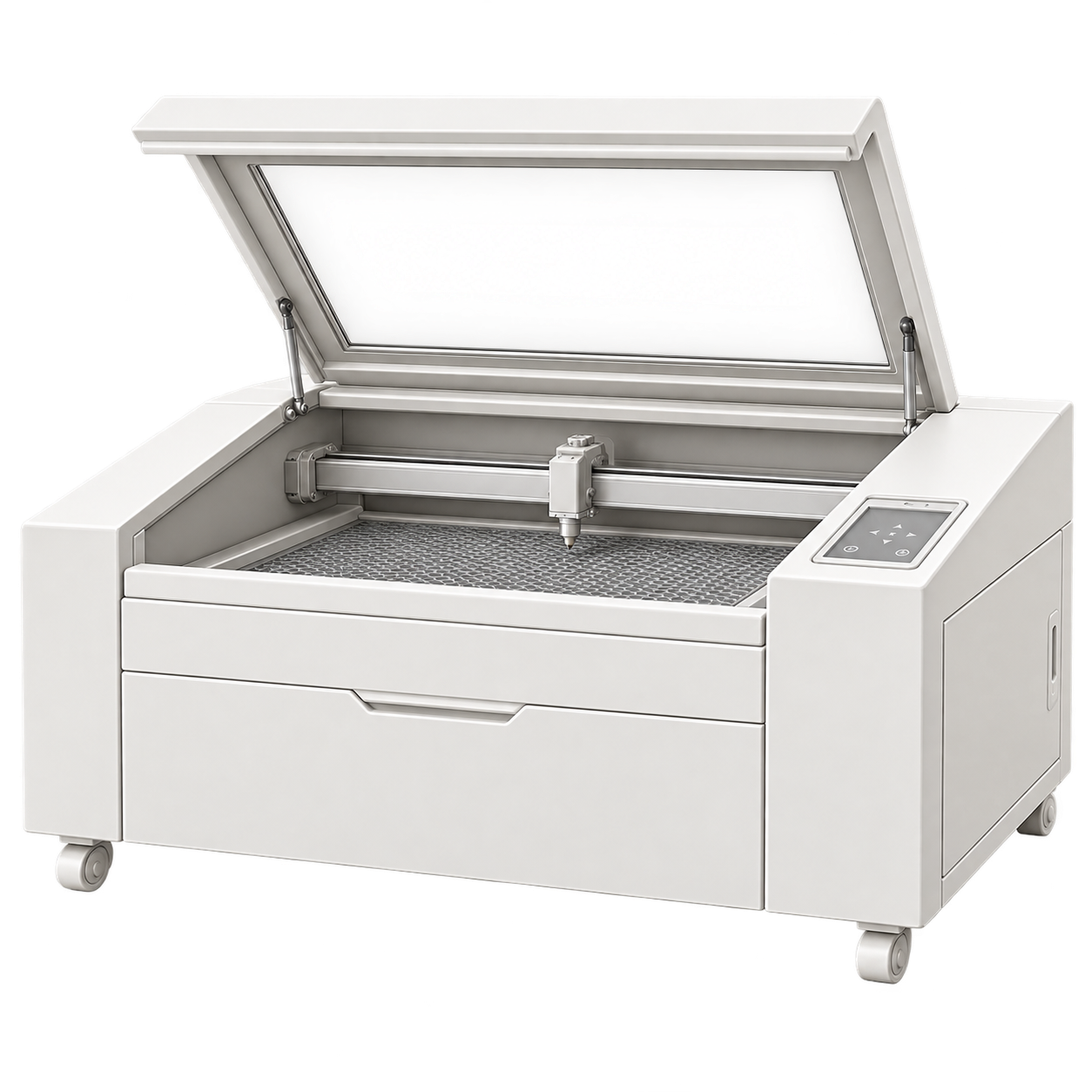
CO₂ laser cutter
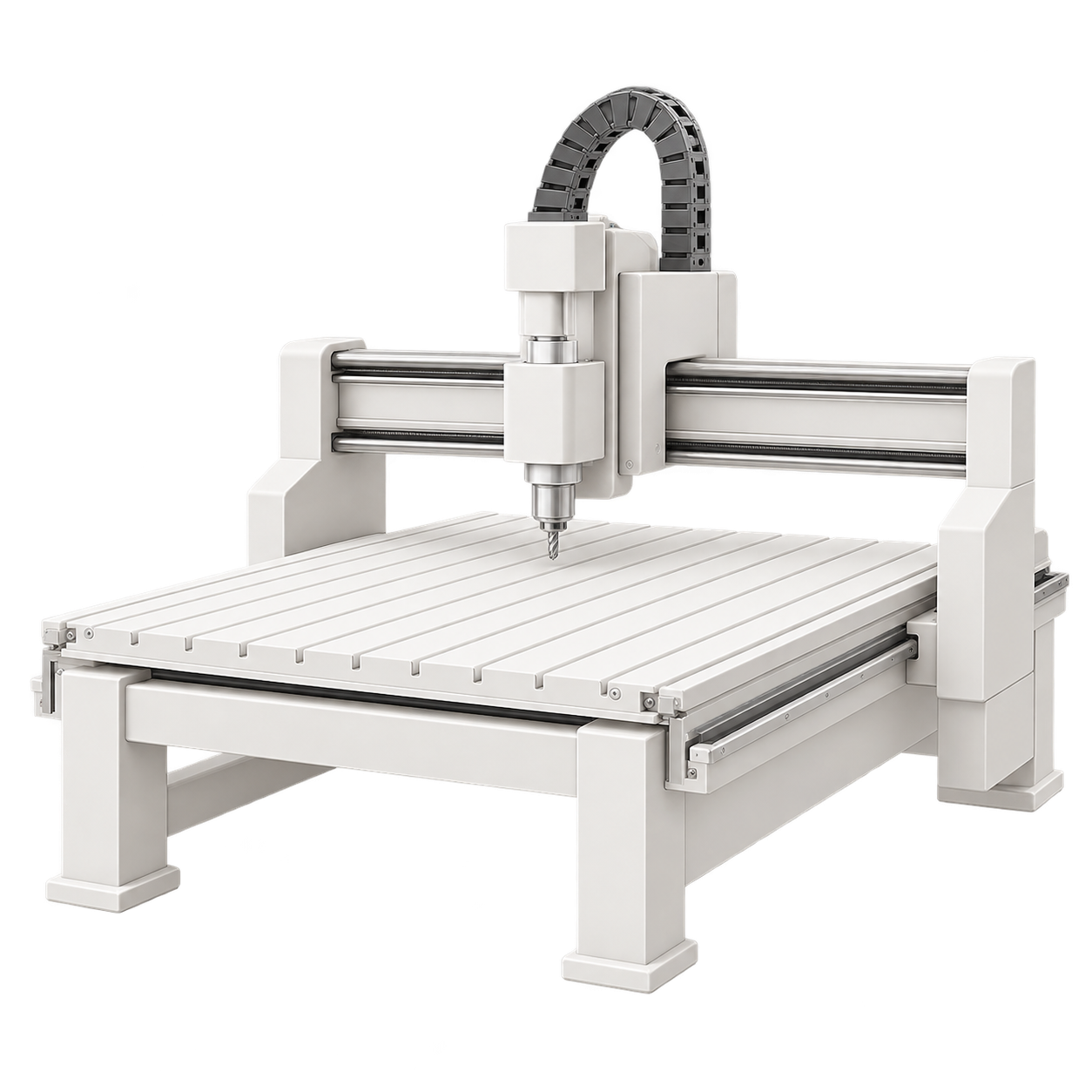
CNC router
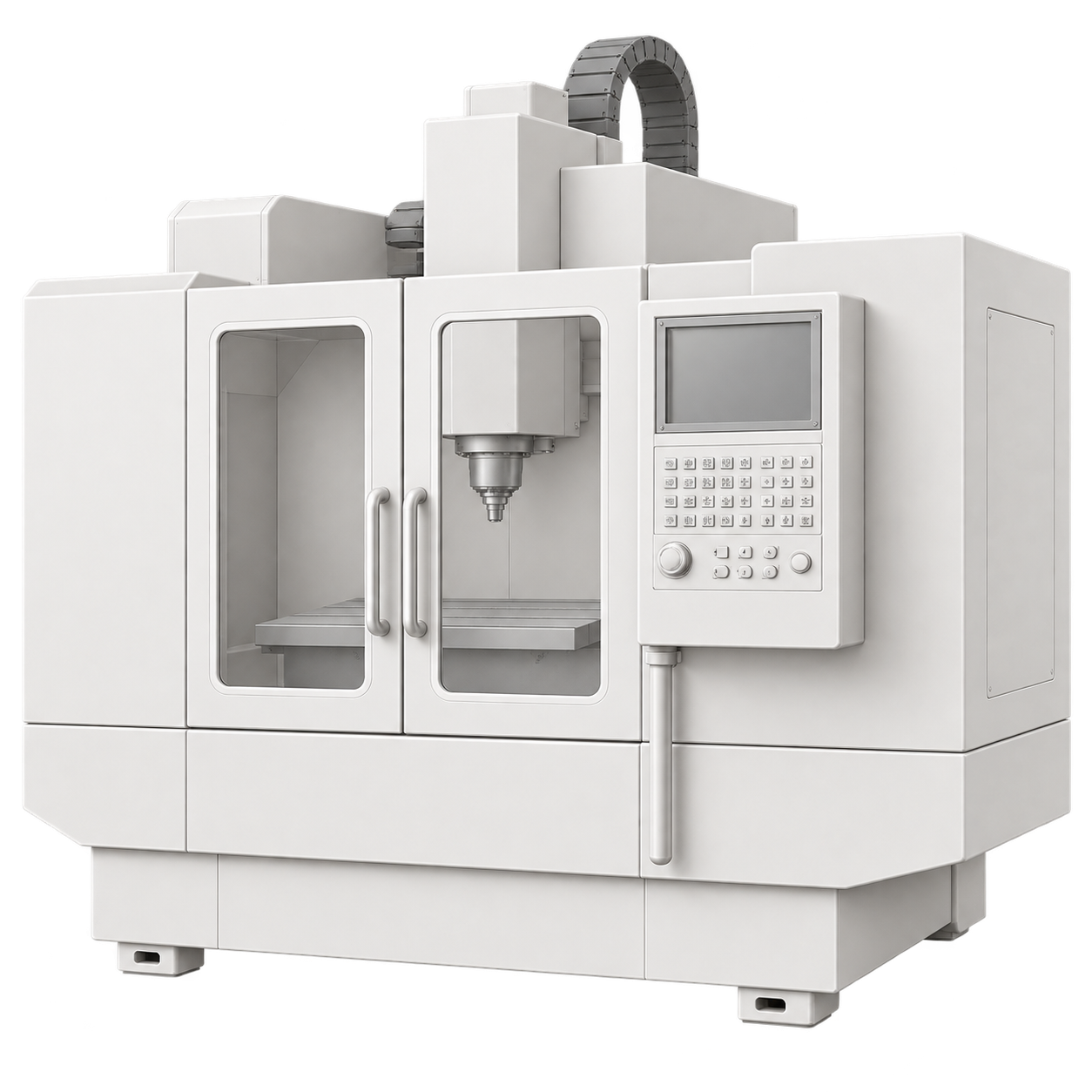
CNC mill
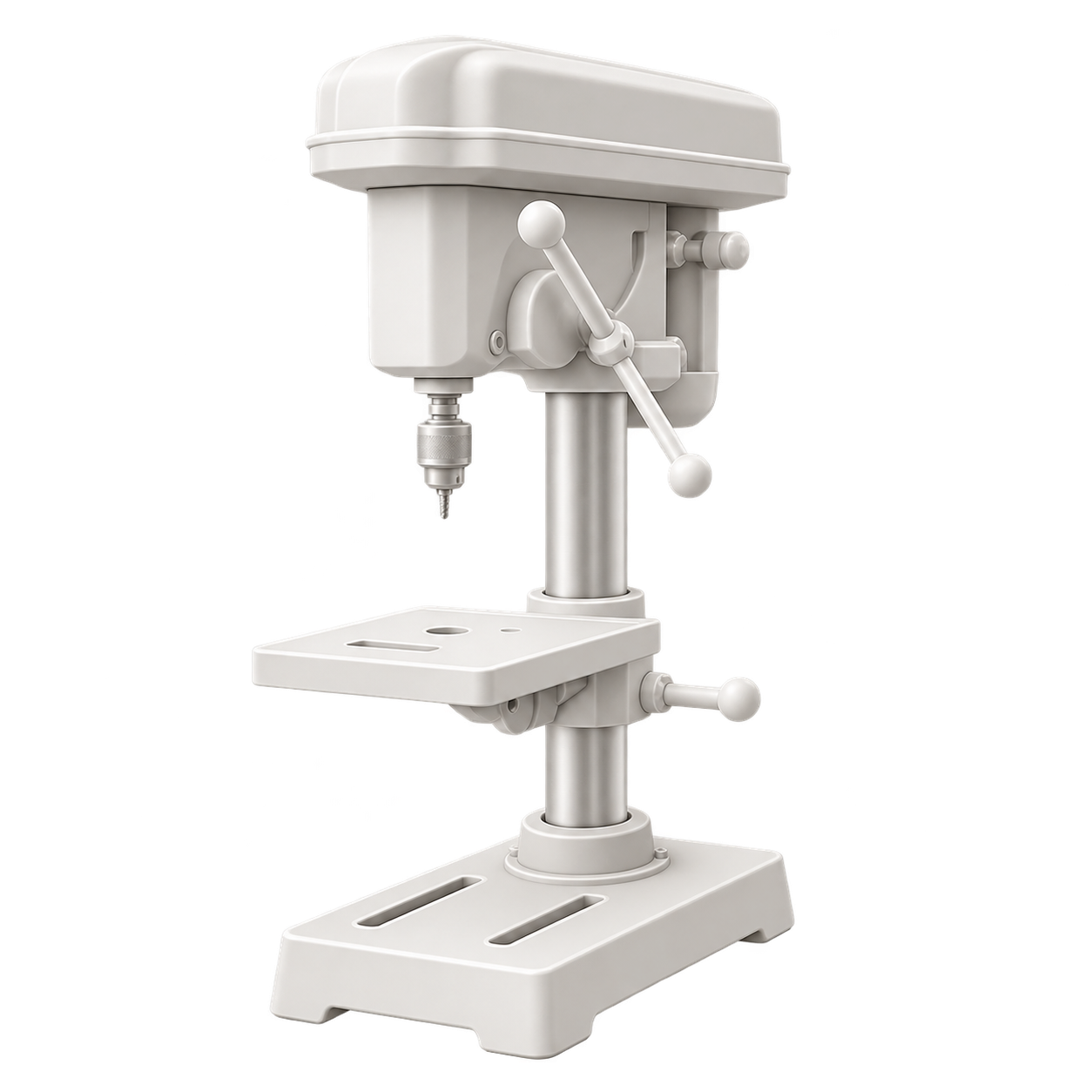
Drill press
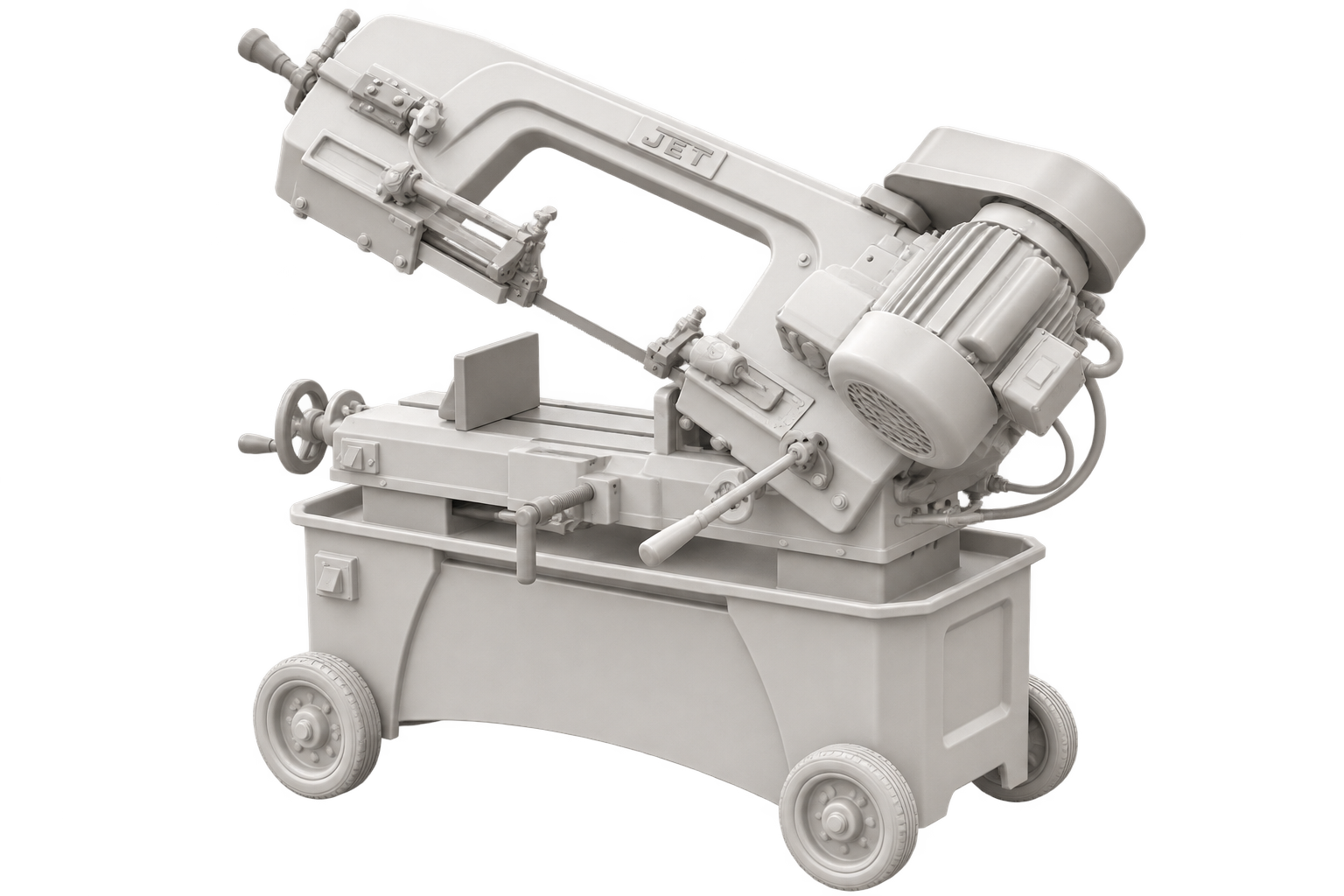
Bandsaw
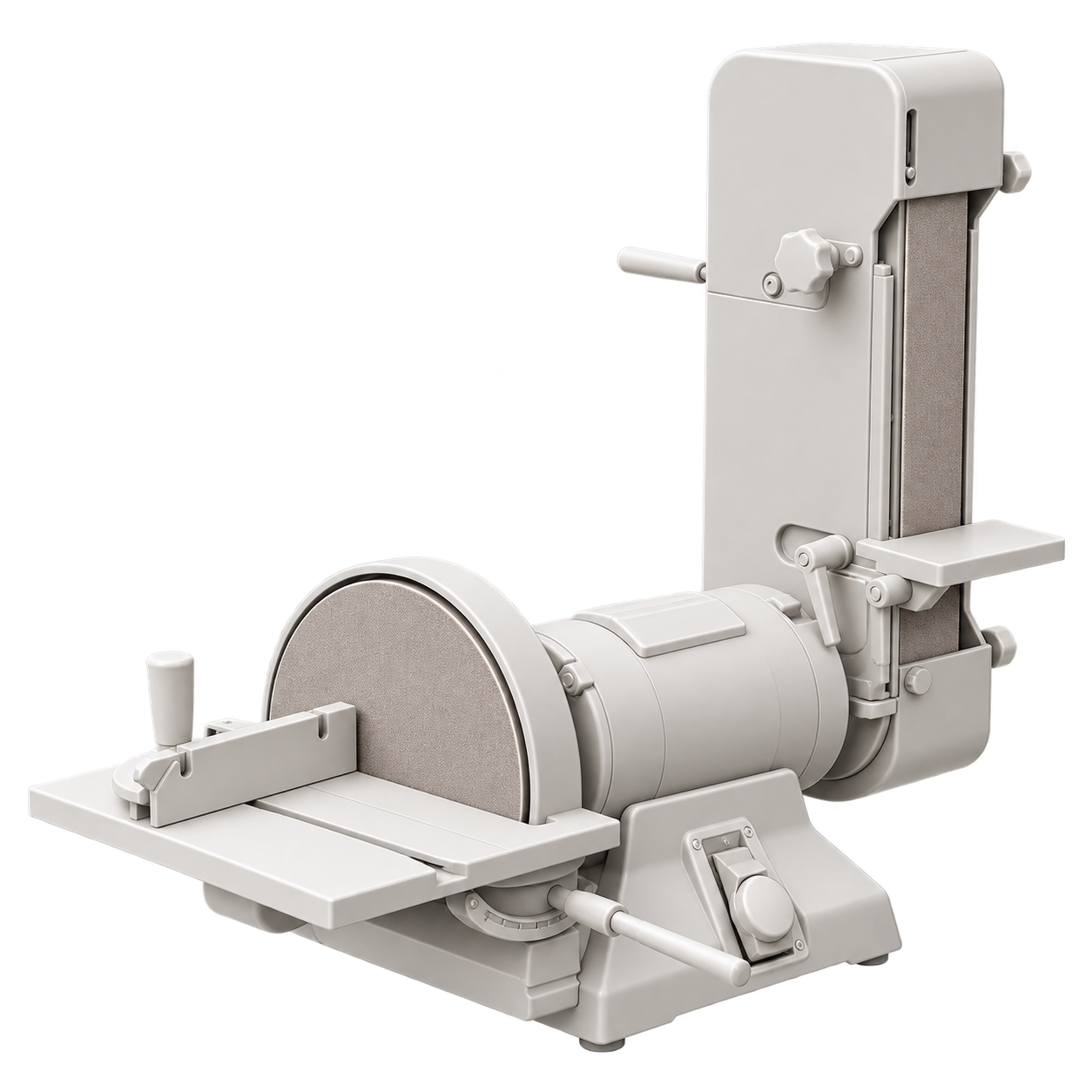
Belt/disc sander
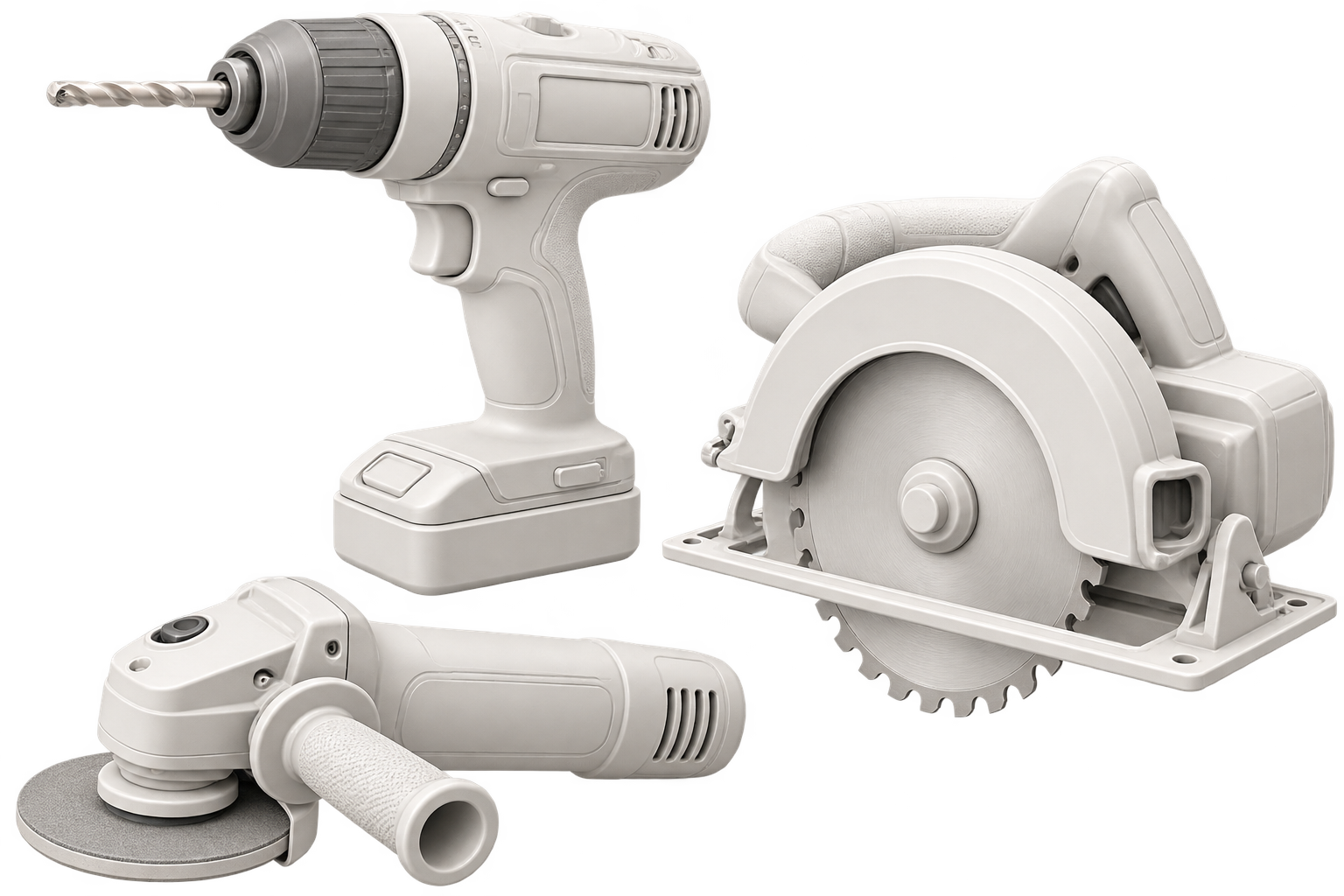
Power Tools
Good to know
Unlike short-fibre filament, which can be printed and then left alone, stock carbon fibre exists in order to be cut, drilled, routed, sanded or laminated - exactly the operations this center is not equipped to control. Keeping it off site removes the exposure route and the cleanup problem rather than trying to manage them after the dust already exists.
Conductive contamination is a separate reason not to disperse the debris: fine carbon fibre inside electrical enclosures is its own kind of damage. That is not the same thing as an electrical hazard, so this record does not claim one.
Documents
Document
Type
Status
No documents are on file for this material. That is a gap in our records, not a clearance — ask staff for the safety data sheet before working with it.