
Plastic
Approved
PLA
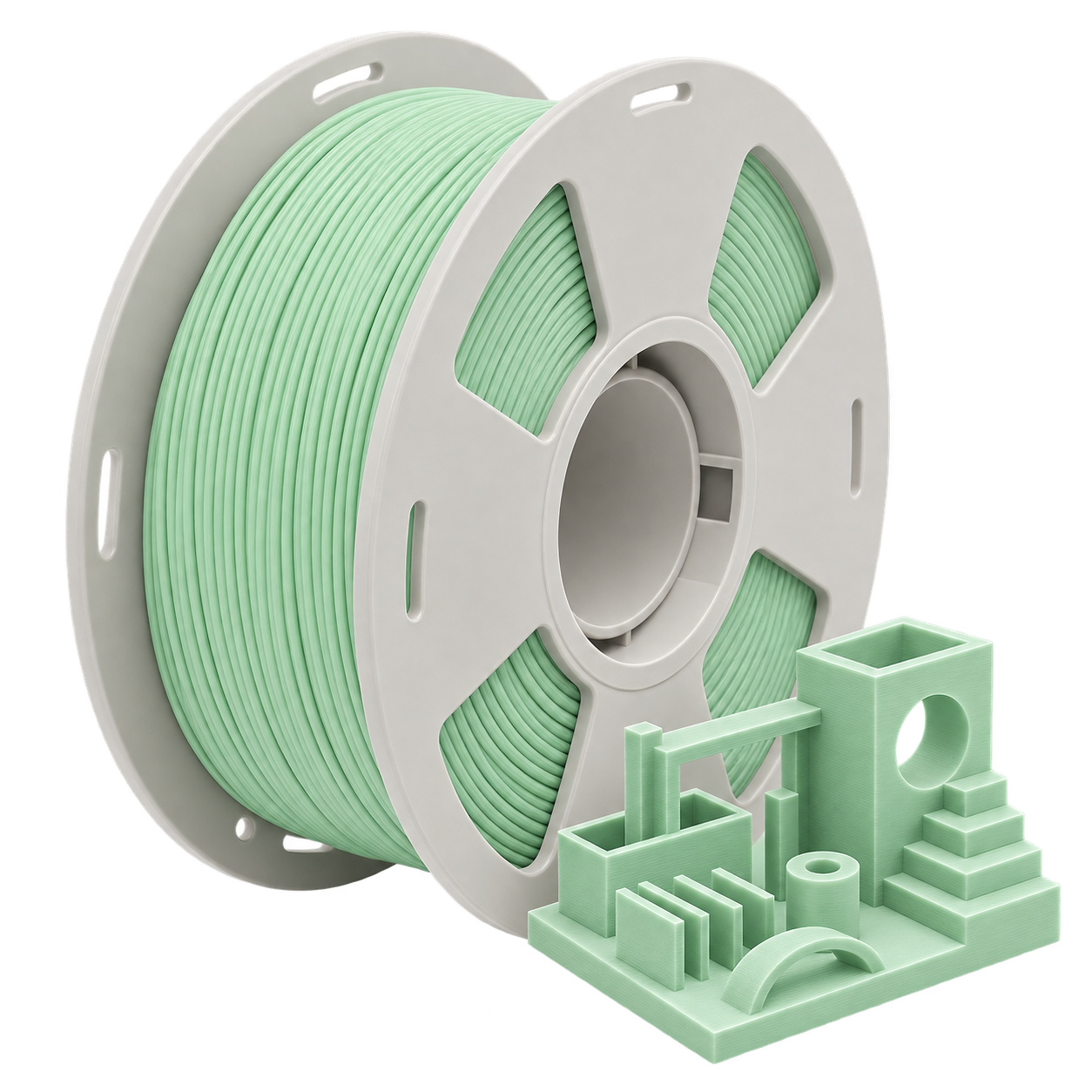
Thermoplastic polyester FDM filament that melts and re-solidifies cleanly enough for routine printing. Printed parts can be cut, drilled or sanded, producing polymer dust plus whatever filler was compounded into the filament. Filled and decorative grades are more abrasive and less predictable than plain unfilled PLA.

Never do this
Hazards
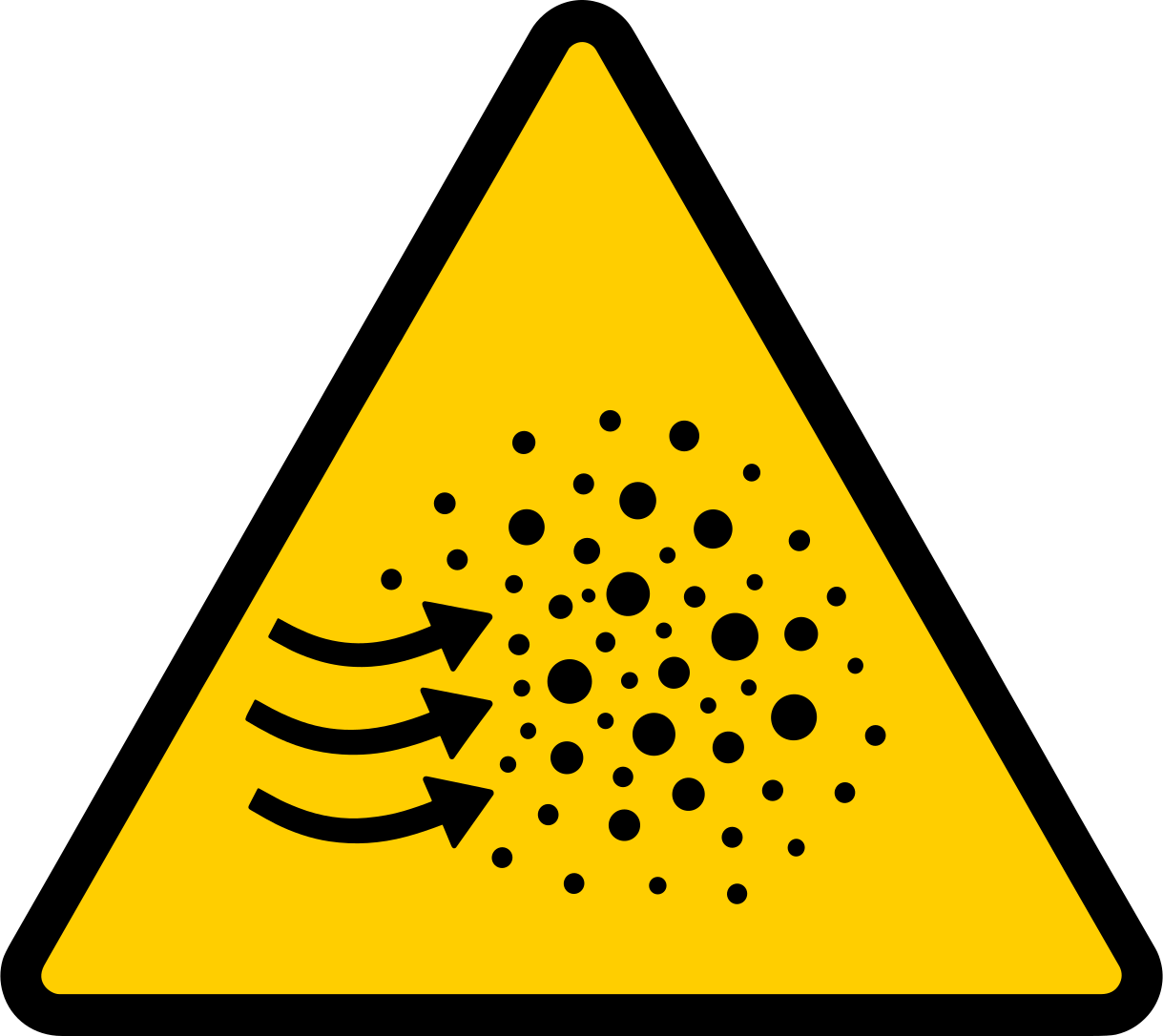
Dust / Airborne Particulate
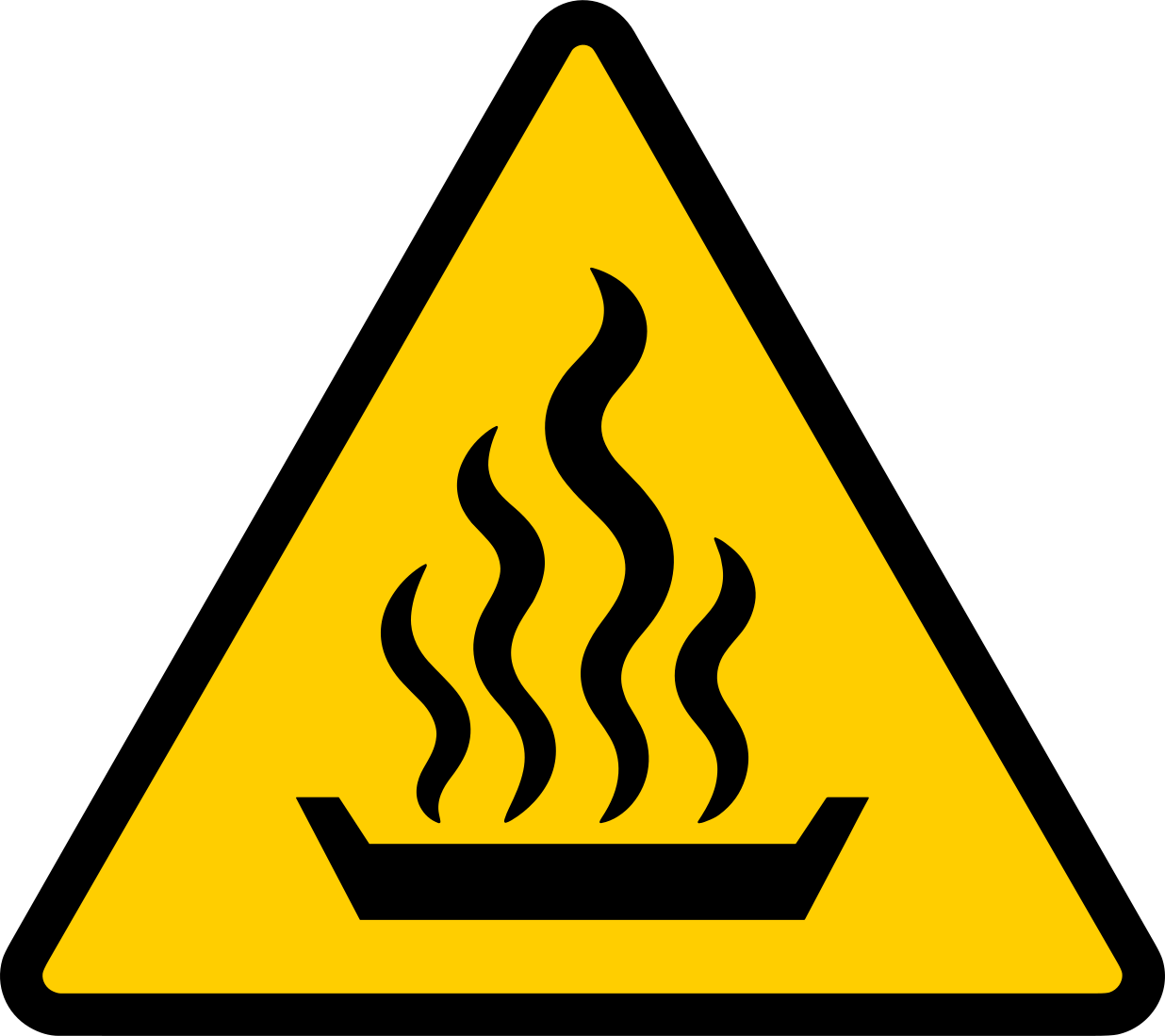
Fumes / Vapors
Controls in place
Printer enclosure and source exhaust. That controls the release where it happens, which works better than relying on PLA's low-odour reputation.
Post-processing is a separate stage with its own controls: sanding a printed part needs dust capture, and for wood-filled grades the dust is not simply PLA.
Not permitted on
No machines are listed as prohibited for this material. That is not an approval — follow the requirements on the machine you are using.
Good to know
PLA is a lower-emission filament than most styrenics or nylons, but it is not emission-free: ultrafine particles and volatile compounds are still produced, and the profile shifts with brand, additive and nozzle temperature. Enclosure and source exhaust at the printer control the release, which works better than relying on the material's low-odour reputation.
Wood-filled PLA is the variant to watch. Sanding a wood-filled print does not produce PLA dust, it produces a mixture, and it should not inherit the plain-PLA assumption.
PLA Metal is a metallic appearance, not a metal filler. Bambu states its PLA Metal contains no metal particles, so this is not a metal-dust material.
Documents
Document
Type
Status