
Plastic
Approved
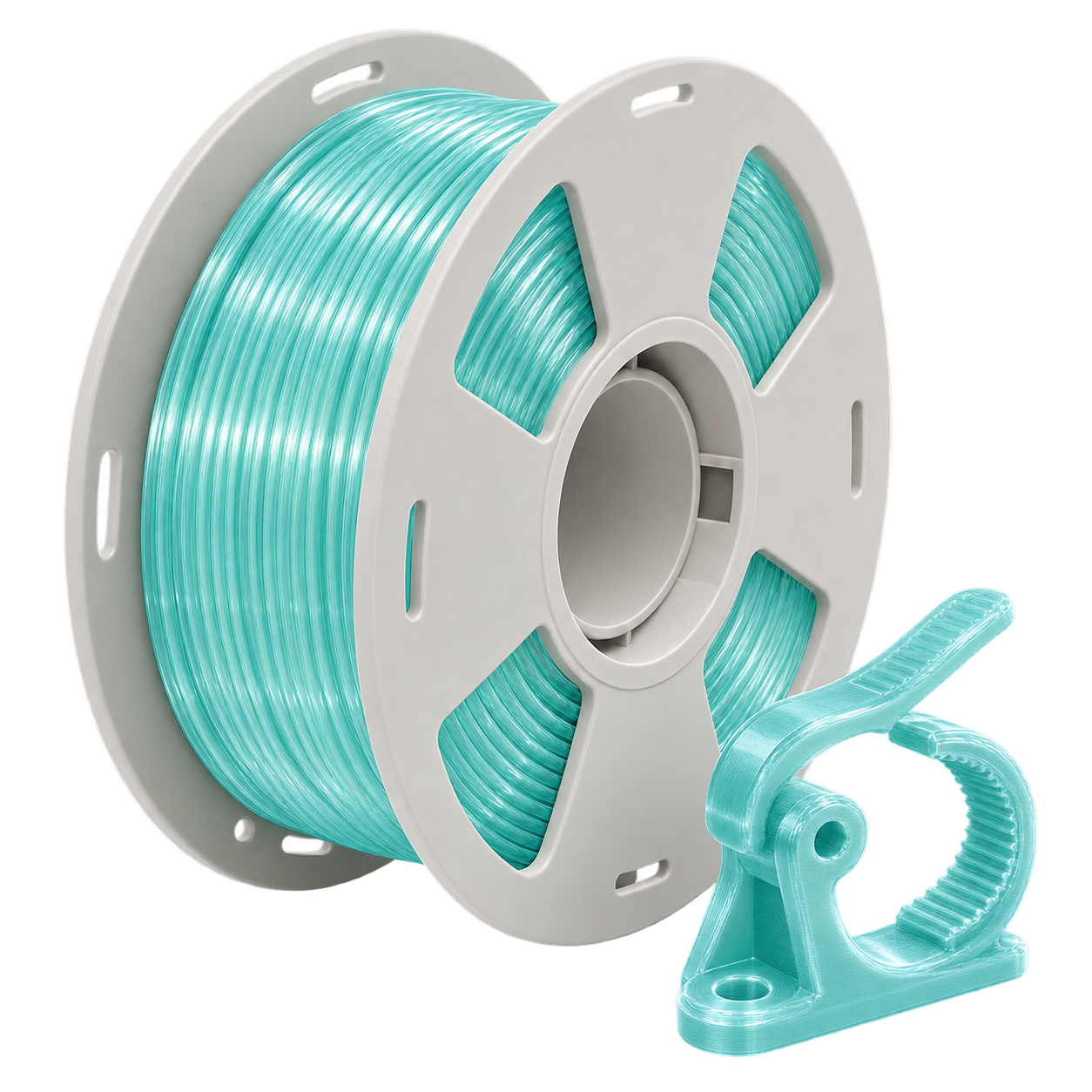
PETG
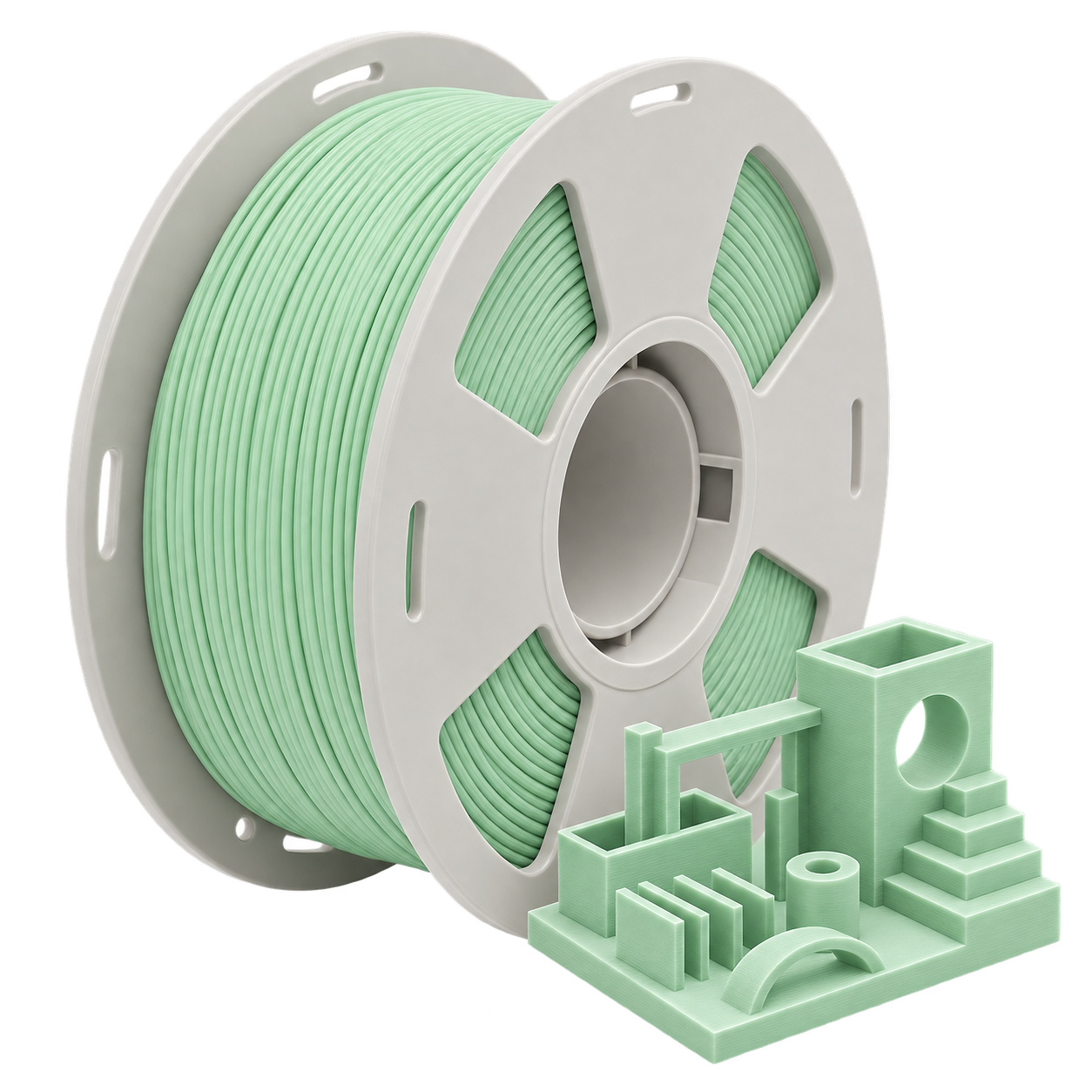
Tough, ductile glycol-modified polyester FDM filament. It melts into a tenacious bead and tends to deform or smear under aggressive post-machining rather than fracturing like a brittle plastic. Cutting or sanding a printed part still generates polymer particulate.
Never do this
Hazards
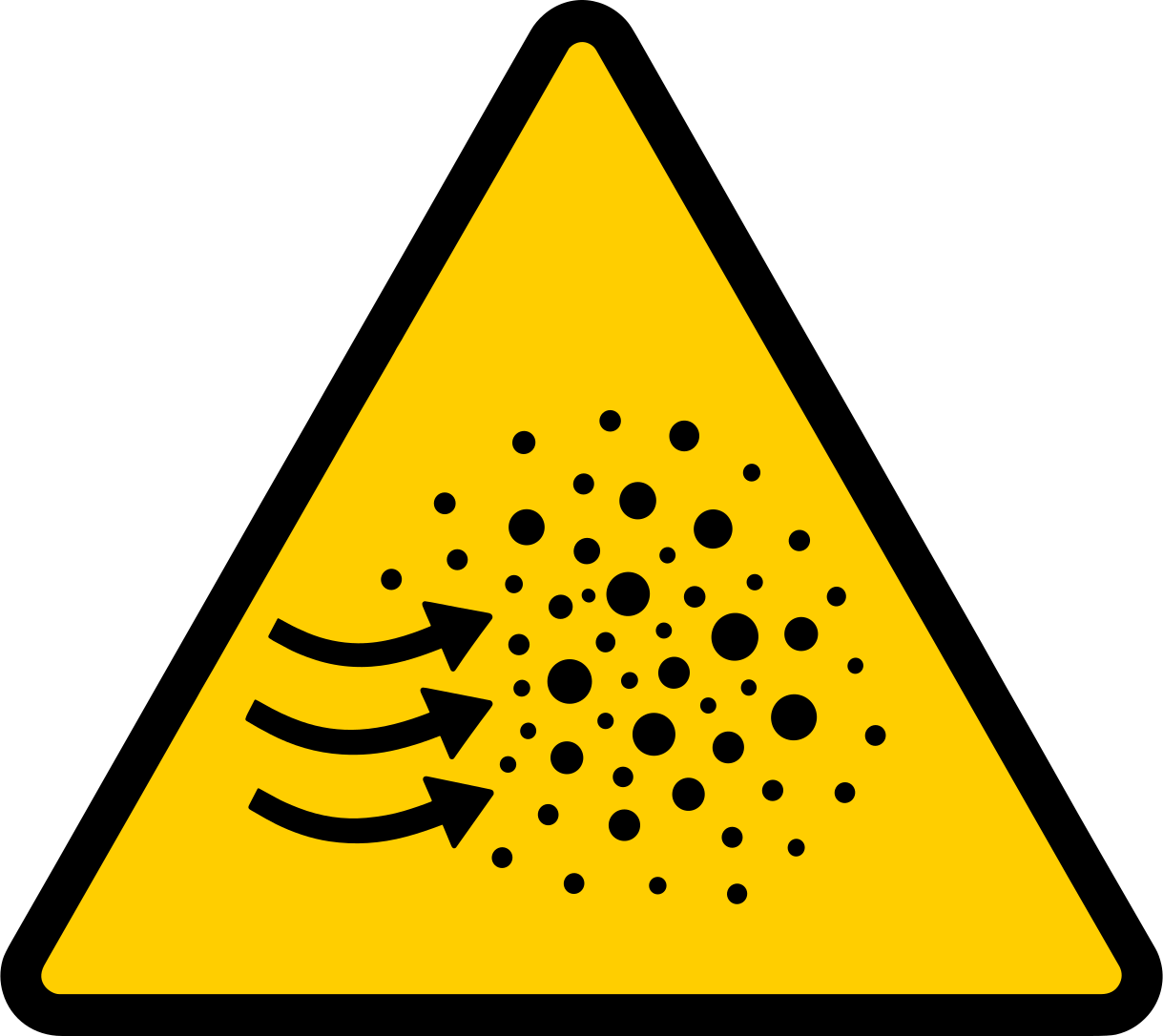
Dust / Airborne Particulate
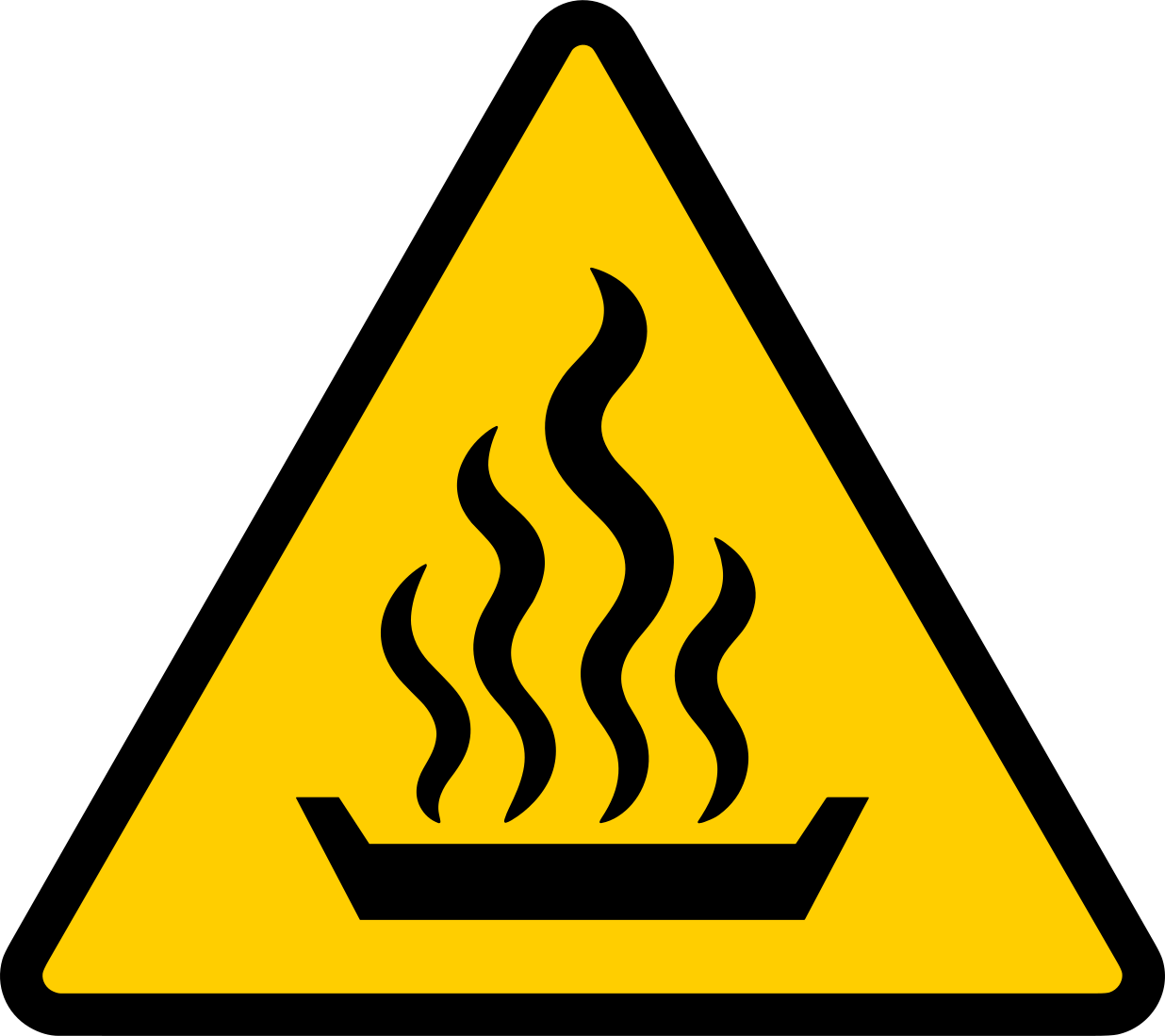
Fumes / Vapors
Controls in place
Printer enclosure or source exhaust. Sanding or cutting a printed part is a separate stage and needs its own dust capture.
Not permitted on
No machines are listed as prohibited for this material. That is not an approval — follow the requirements on the machine you are using.
Good to know
PETG printing produces ultrafine particles and a low-level mixture of volatile compounds, even though its measured output is usually below ABS under comparable conditions. "PETG has little smell" is not the same as "PETG has no emissions".
Enclosure or source exhaust at the printer handles the release. The PLA-PETG support material does not change the control strategy.
Documents
Document
Type
Status