
Plastic
Approved
TPU
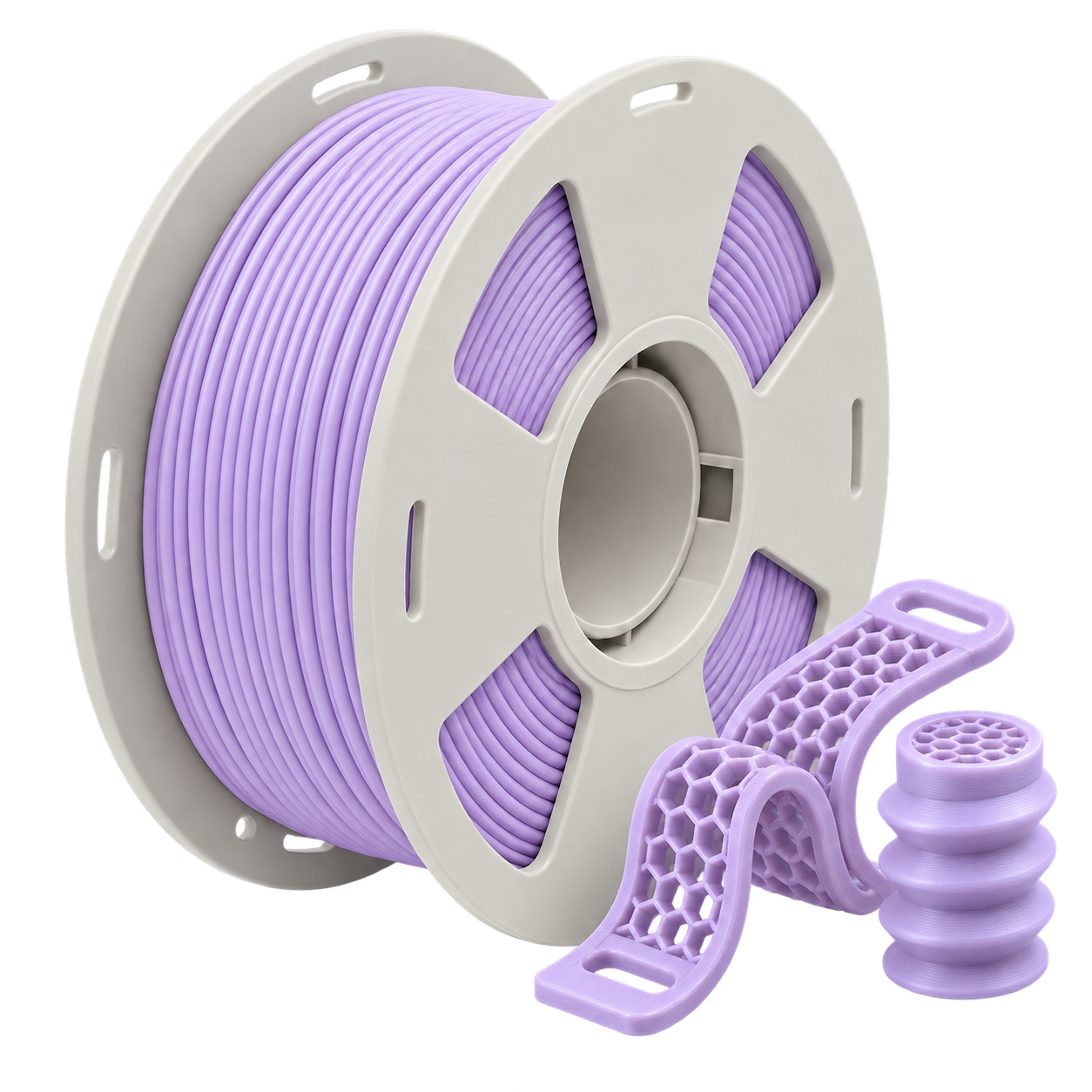
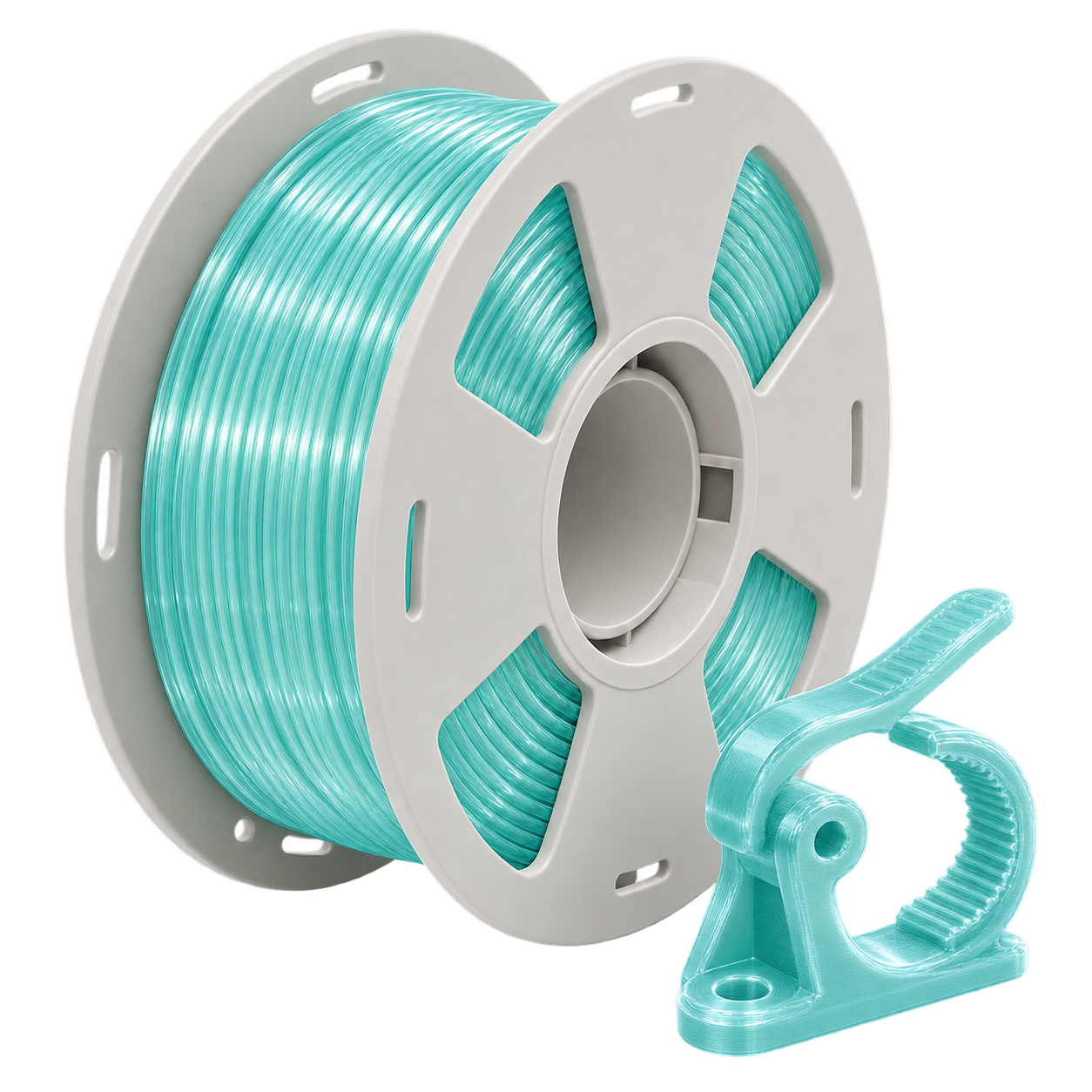
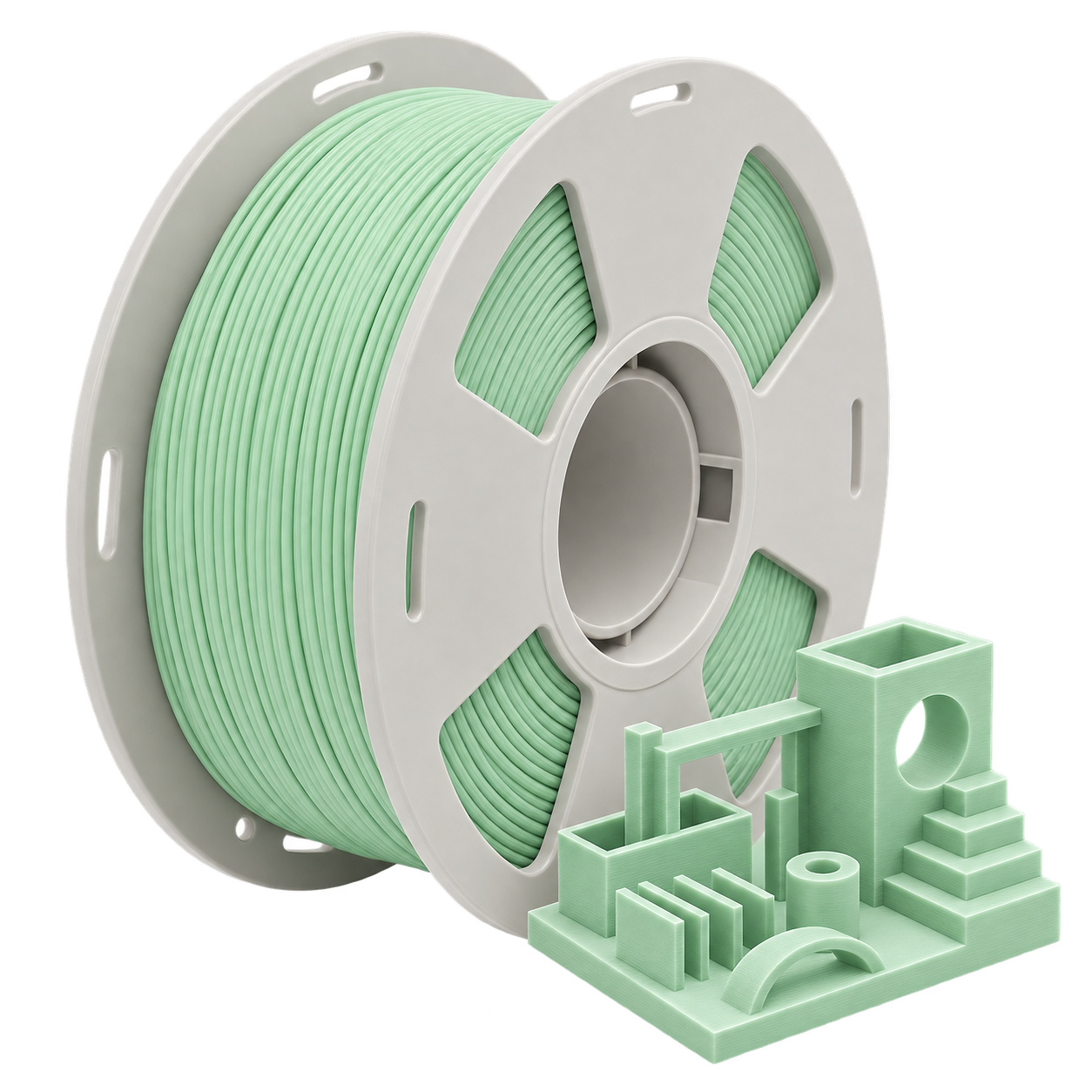
Flexible thermoplastic polyurethane filament with rubber-like deformation rather than rigid fracture. Its softness makes sanding and cutting inefficient: it stretches, smears and heats under tooling instead of cutting cleanly.
Never do this
Hazards
Fumes / Vapors
Controls in place
Printer enclosure or source exhaust. TPU is soft enough that mechanical post-processing is inefficient anyway, so the printing stage is where the control belongs.
Not permitted on
No machines are listed as prohibited for this material. That is not an approval — follow the requirements on the machine you are using.
Good to know
Polymaker's PolyFlex TPU95-HF safety data sheet is not GHS-classified as hazardous and lists no hazardous ingredients above its reporting threshold. That describes the spool on the shelf, not the melt: printer studies do measure ultrafine particles from TPU formulations, so the printing hazard stands even where the SDS is clean.
Nothing here calls for the nylon or carbon-fibre controls that apply to Onyx and the CF filaments.
Documents
Document
Type
Status