
Composite
Restricted
Onyx CF nylon
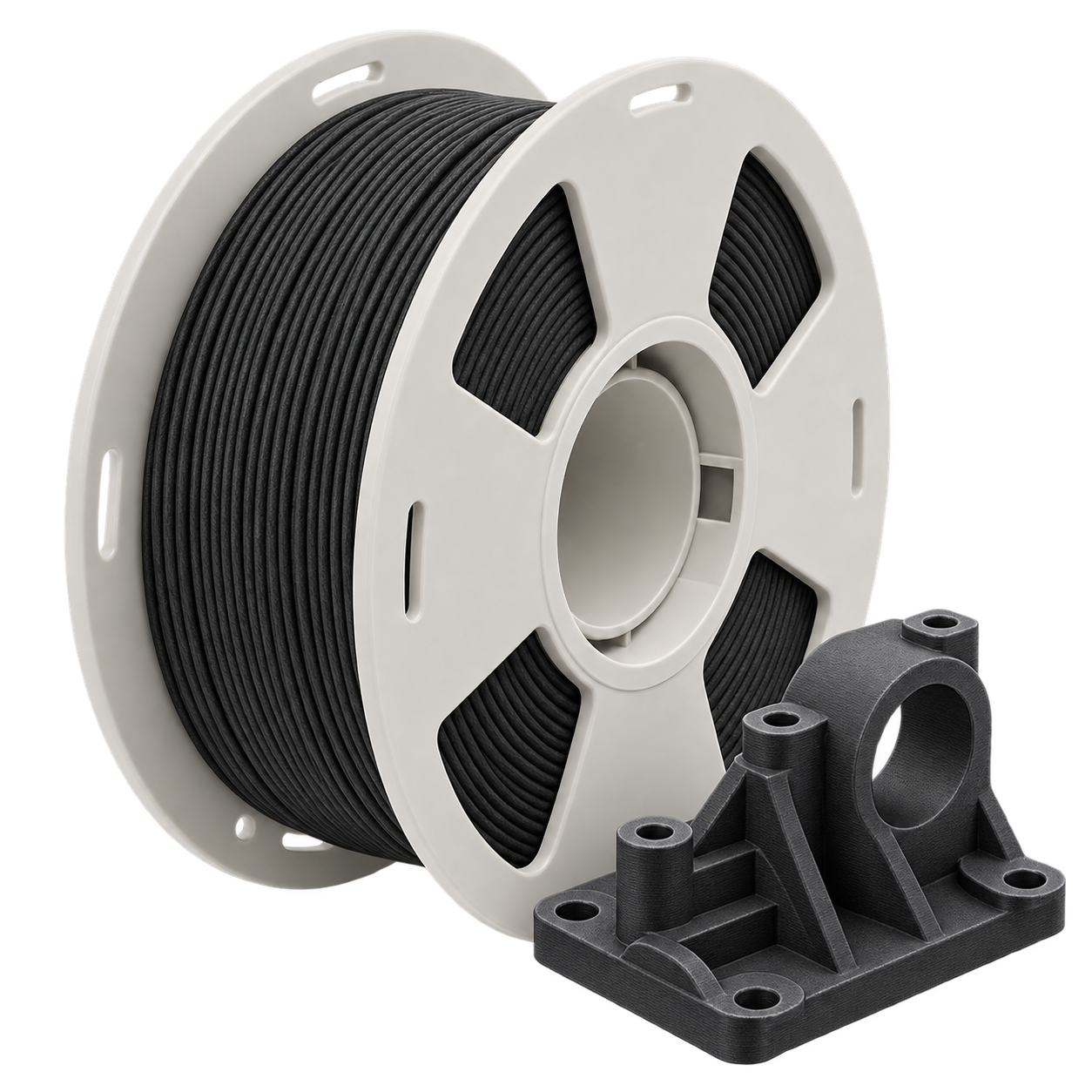
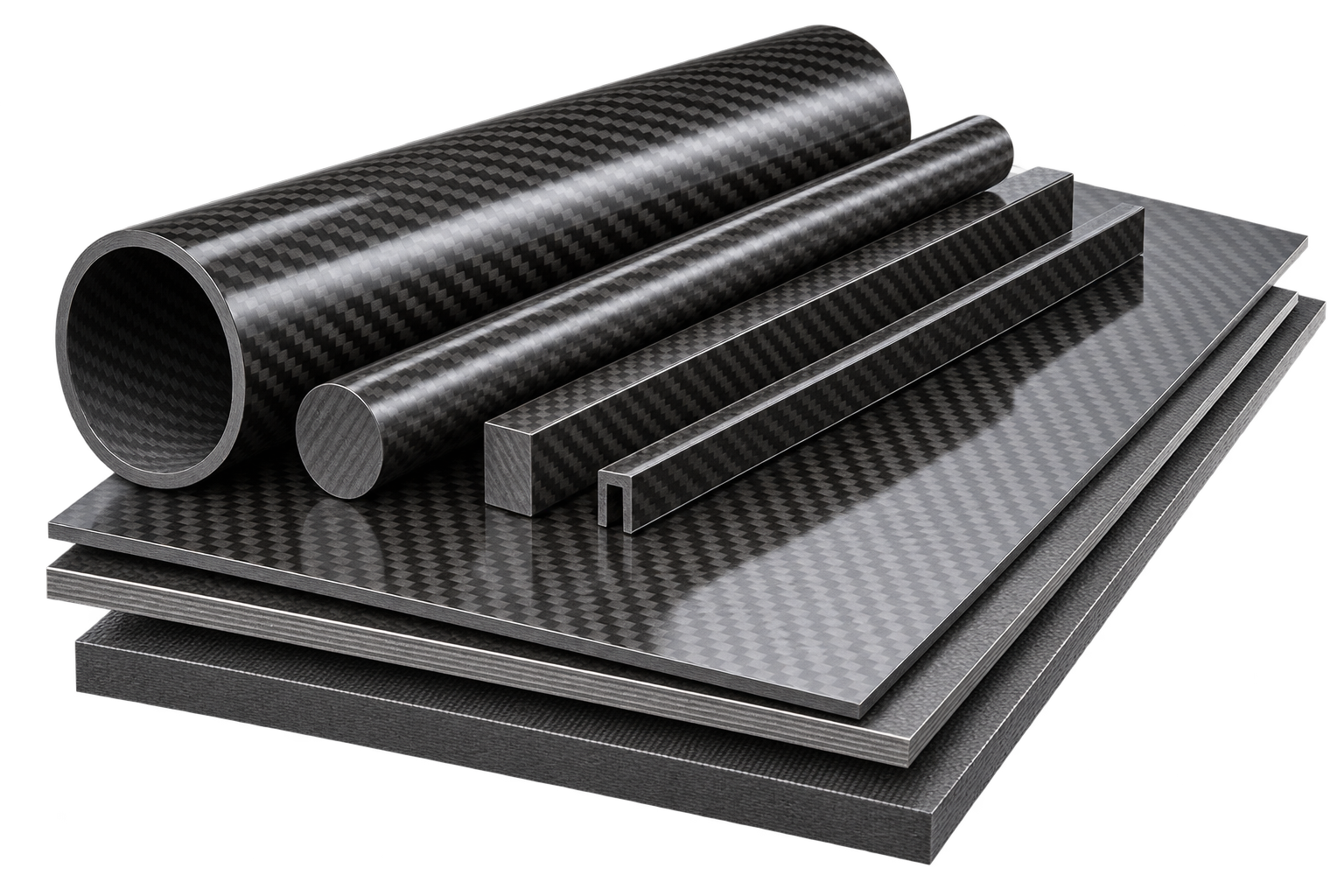
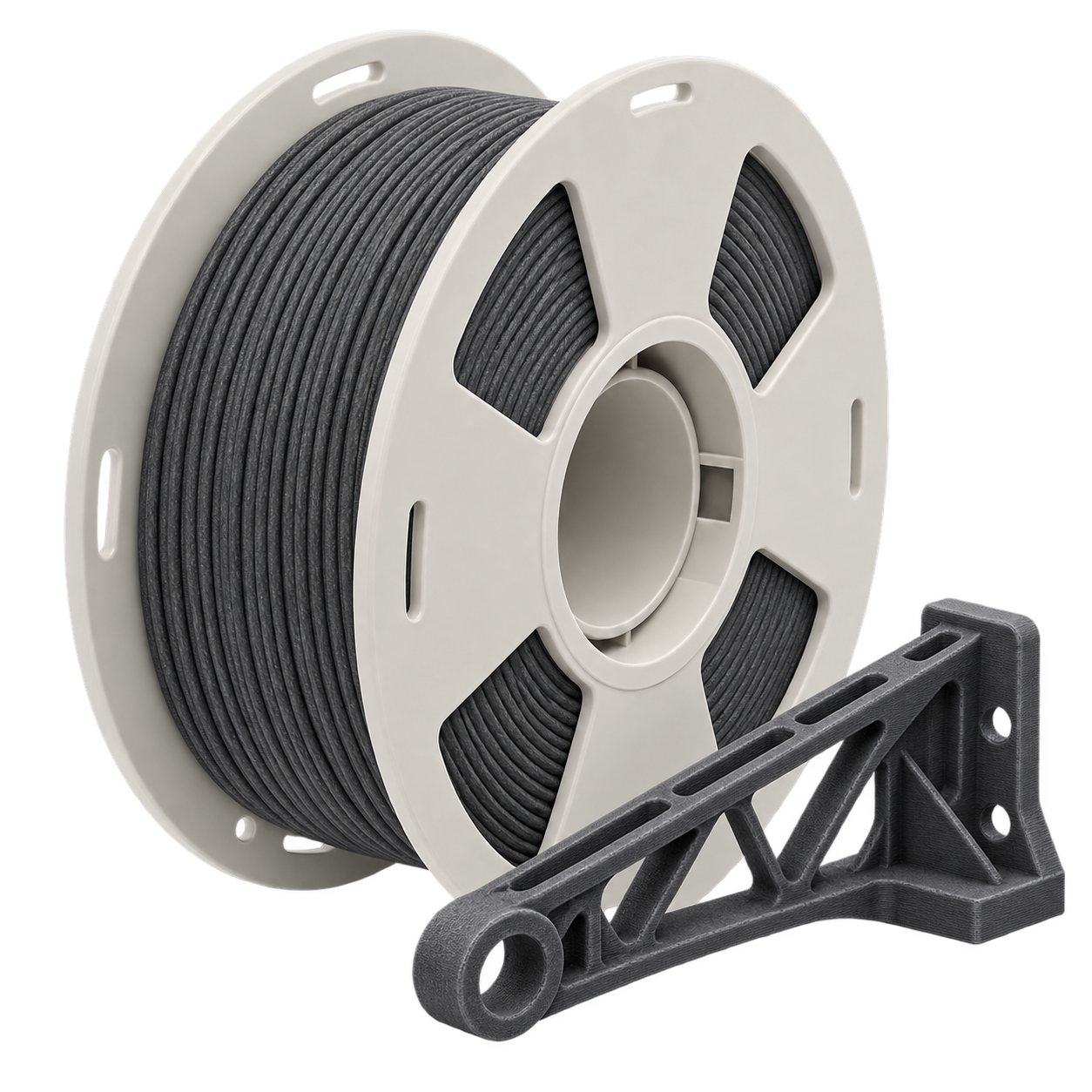
Carbon-fibre-reinforced nylon-family filament: a tough thermoplastic matrix with chopped carbon fibre, more abrasive to nozzles and cutting tools than plain nylon. Produces fibre-containing composite dust if mechanically machined.
Never do this
- Never sand, grind, route, mill, drill, saw or otherwise machine Onyx printed parts.
- Never use compressed air to disperse dust from a damaged or abraded Onyx part.
Hazards
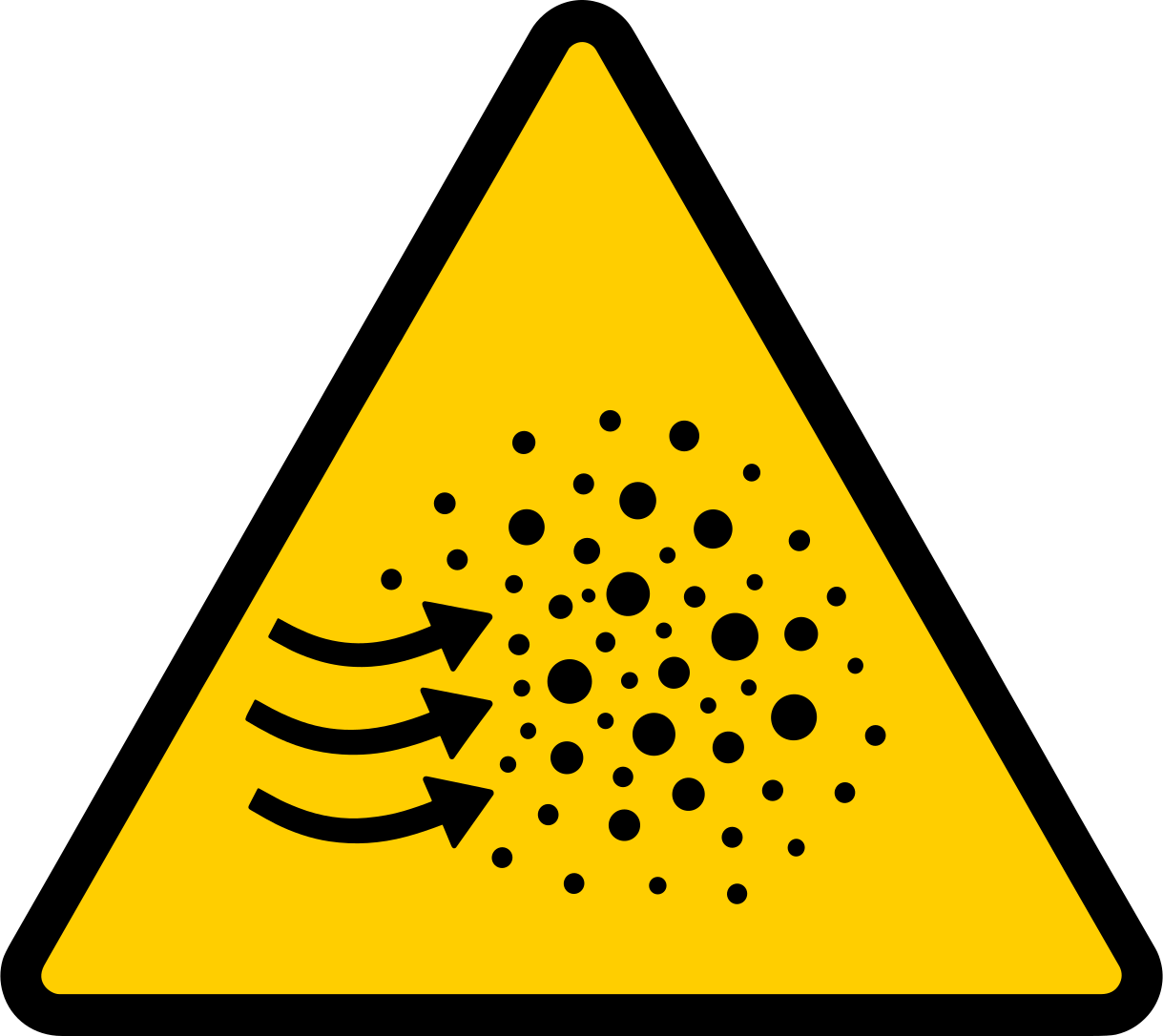
Dust / Airborne Particulate
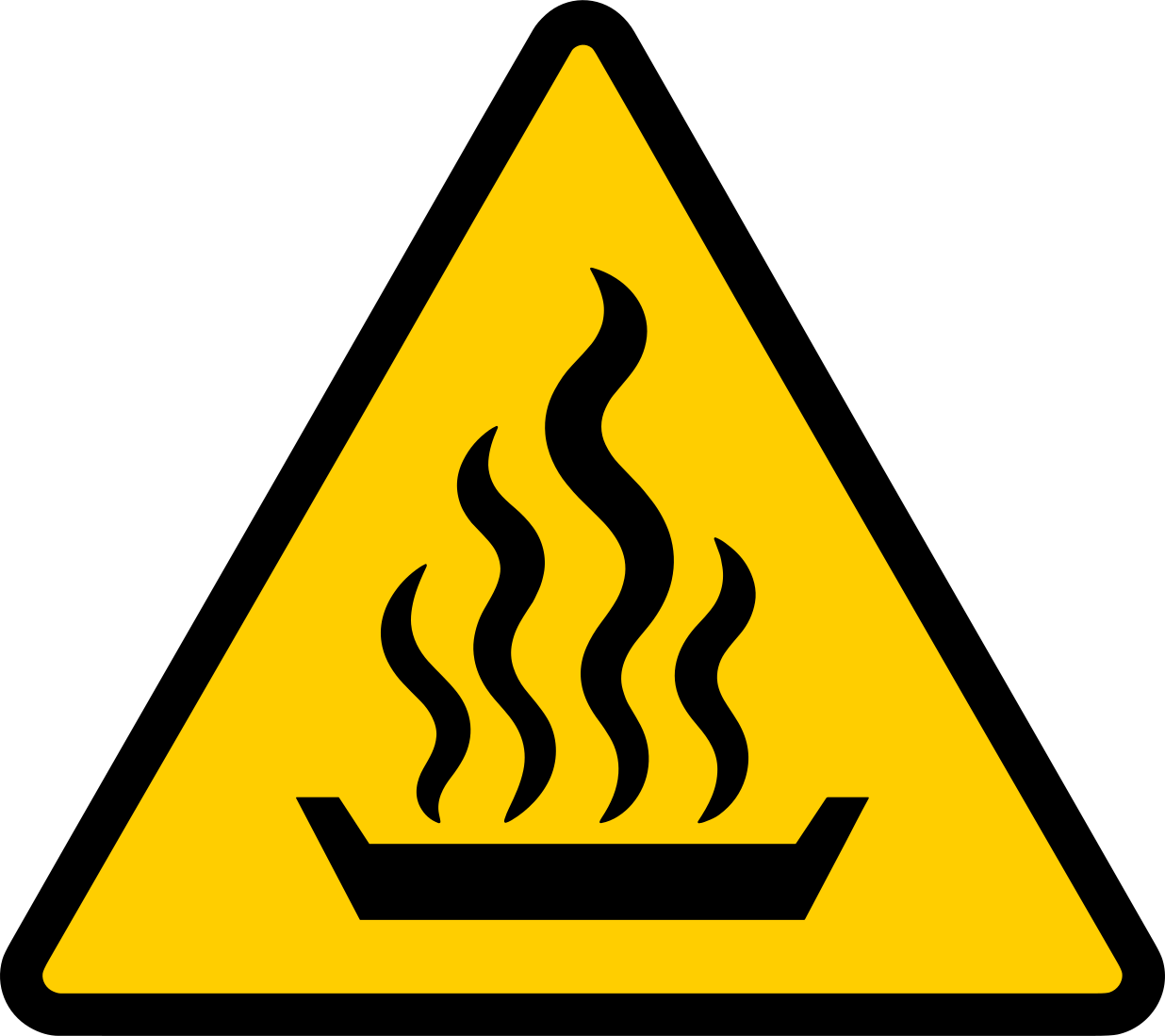
Fumes / Vapors
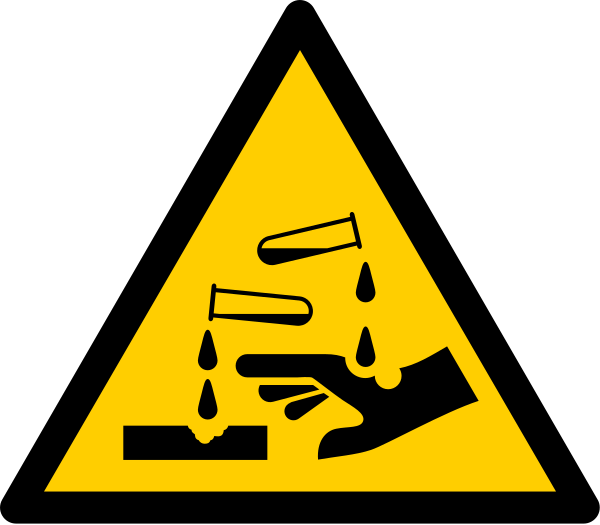
Chemical Contact / Splash
Controls in place
Source exhaust at the printer, addressing caprolactam rather than the particulate mixture that PLA and PETG produce. The Markforged enclosure is doing real work here.
As with the other carbon-fibre filaments, post-processing is controlled by elimination: printed parts are not machined.
Not permitted on
No machines are listed as prohibited for this material. That is not an approval — follow the requirements on the machine you are using.
Good to know
Onyx does not inherit the PLA-CF and PETG-CF fume statement, because nylon chemistry changes what comes off when it is heated. Its own safety data sheet declares caprolactam, classified H302, H332, H315, H319 and H335 - acute toxicity by ingestion and inhalation, plus skin, eye and respiratory irritation. That is the most hazardous GHS profile of any filament held here.
Caprolactam is a documented nylon-printing emission, so source exhaust at the printer is addressing a different vapour mixture than it is for the PLA and PETG composites. The same no-machining rule applies for the carbon fibre itself.
Documents
Document
Type
Status