
Plastic
Restricted
PVC
Chlorine-containing thermoplastic. It can be sawn, drilled or routed into chips like other rigid plastics, but its heated decomposition chemistry is fundamentally different: thermal degradation releases hydrogen chloride.
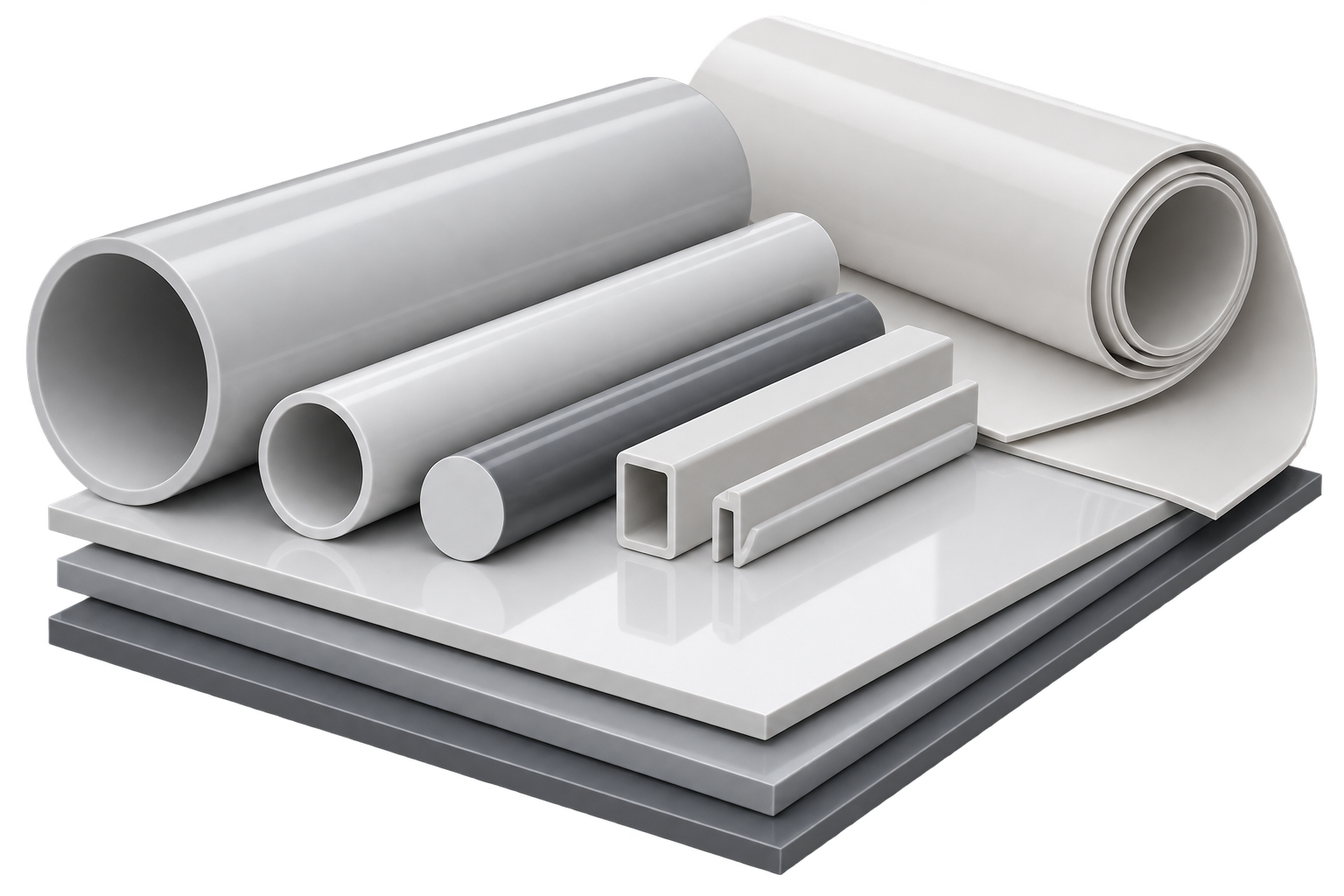
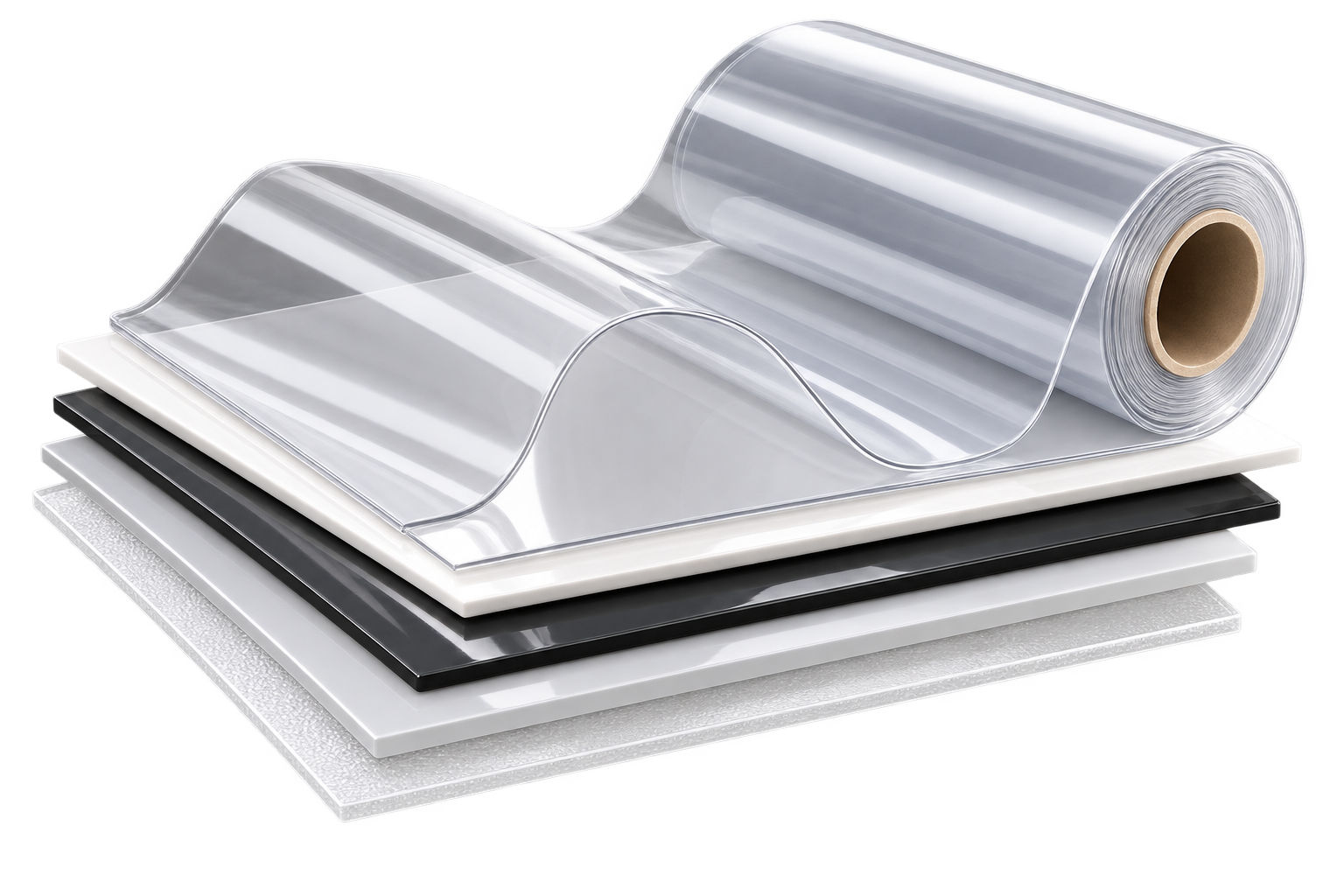
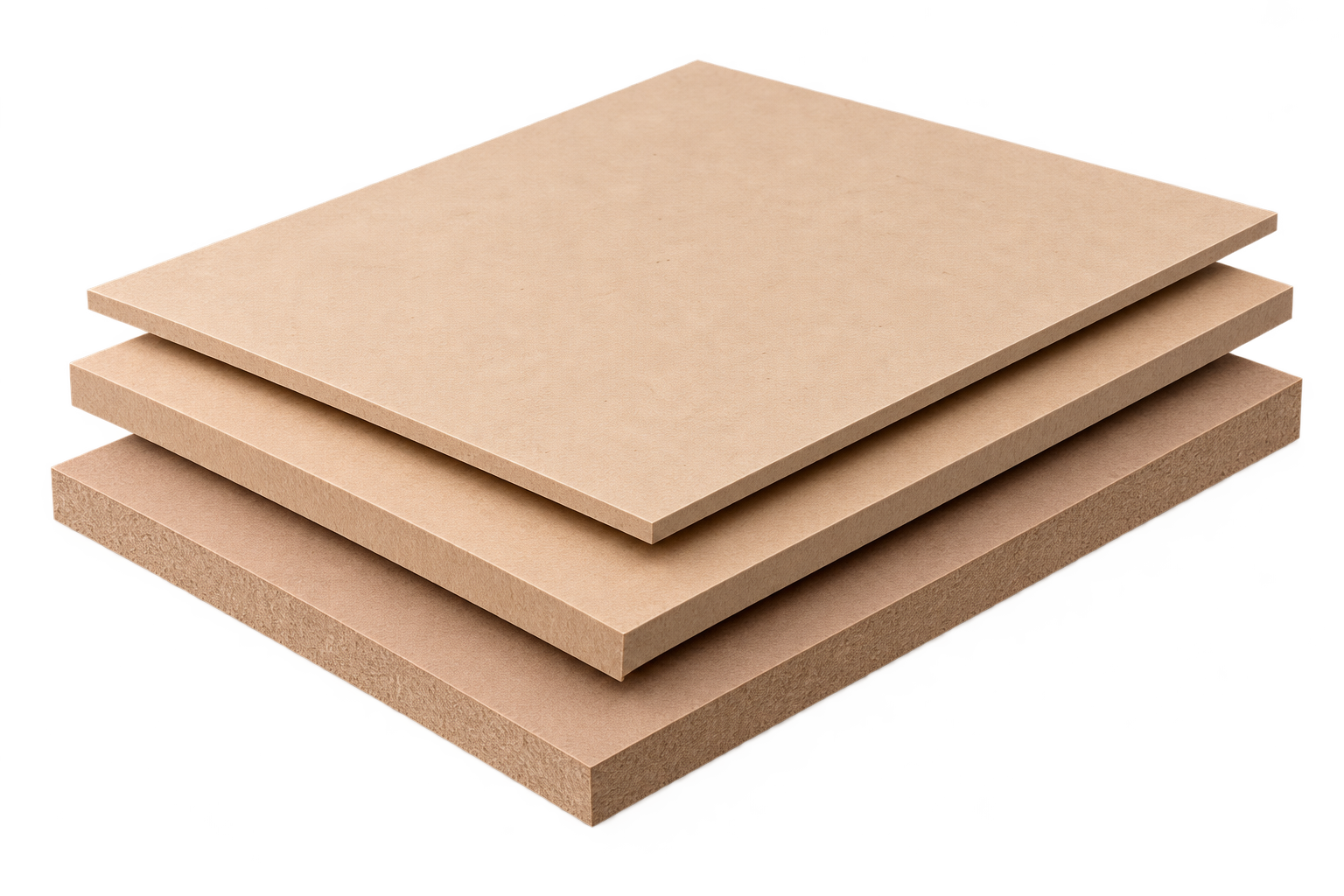
Never do this
- Never burn, hot-wire cut, heat-form, laser or otherwise deliberately thermally process PVC.
- Never treat an unidentified plastic sheet as laser-safe because it resembles an approved acrylic, PETG or engraving laminate.
Hazards
Dust / Airborne Particulate
Fumes / Vapors
Controls in place
Source capture handles the particulate from cold mechanical cutting. Nothing controls thermal decomposition, which is why heating it is prohibited outright rather than managed - elimination is the only level that works for laser, hot wire and vacuum forming.
Positive identification of the material comes before any of it. Unidentified vinyl gets no process at all.
Not permitted on
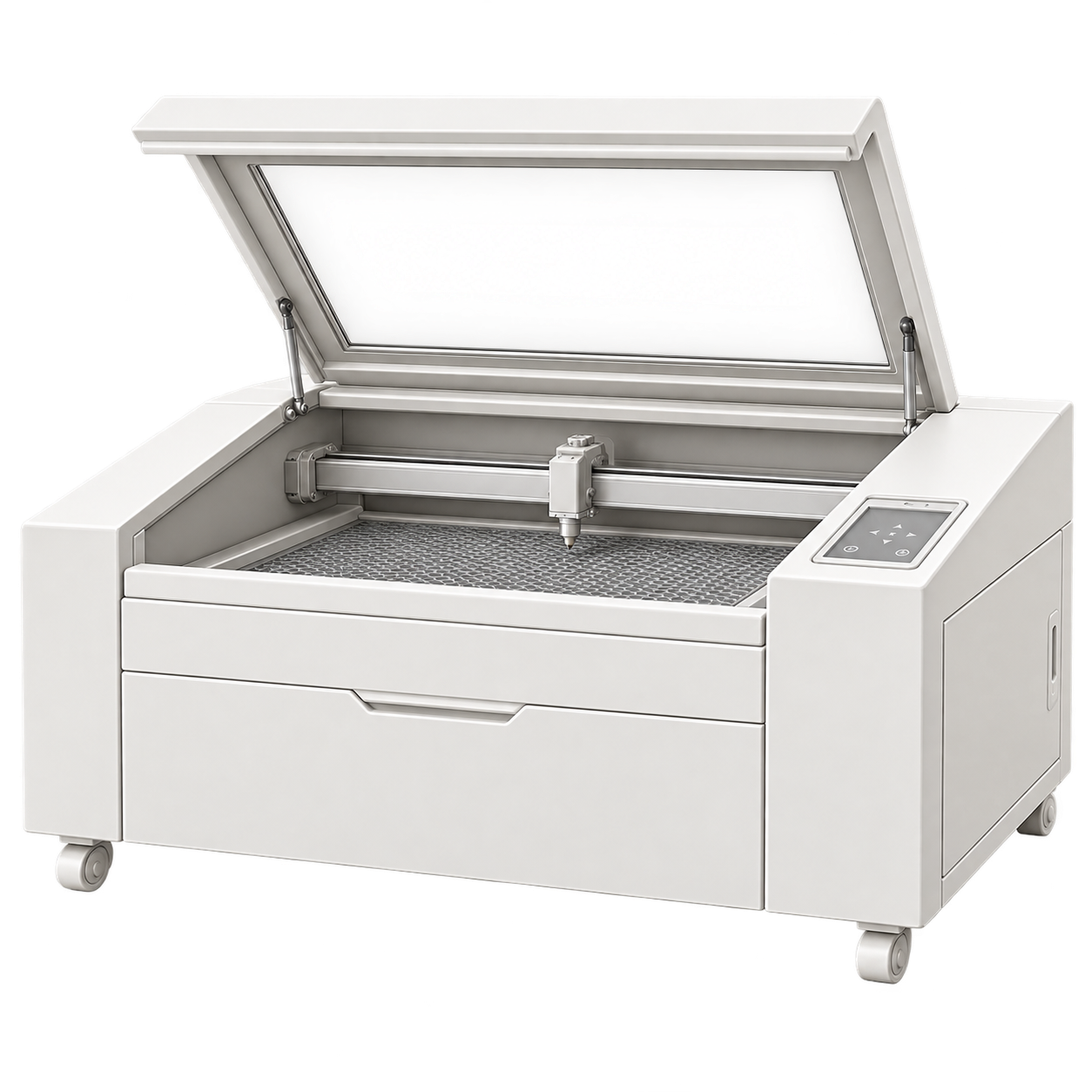
CO₂ laser cutter
Good to know
The red line is thermal processing, not mechanical cutting. Conservative mechanical tooling removes material without deliberately decomposing it, and source capture handles the particulate. Laser cutting, hot-wire cutting, burning and vacuum forming all deliberately heat the material, and that is where hydrogen chloride and other chlorinated decomposition products come from - attacking the operator, the machine optics and the extraction alike.
Not purchased here. This record exists so that vinyl arriving from outside meets a written rule instead of a guess. Mayku lists PVC as FormBox-compatible; that is a machine capability claim and it does not override this.
The vacuum former is not yet a machine type, so its prohibition cannot be recorded in the field above. It belongs there once the type exists.
Documents
Document
Type
Status
No documents are on file for this material. That is a gap in our records, not a clearance — ask staff for the safety data sheet before working with it.